


Living in San Antonio means dealing with significant temperature swings throughout the year. Long stretches of summer heat place heavy demands on air-conditioning equipment, while sudden winter cold fronts can quickly turn attention toward the heating system.
Because heating and cooling equipment often works hardest during the exact periods when homeowners depend on it most, preparation can be far more convenient than discovering a problem during extreme weather. A few practical maintenance habits can help homeowners identify potential issues, improve everyday comfort, and make more informed decisions about their HVAC systems.
Pay Attention to Changes in Cooling Performance
HVAC problems do not always begin with a complete system shutdown. Smaller changes in performance can sometimes provide the first indication that something needs attention.
Homeowners may notice that certain rooms take longer to cool, the system runs for longer periods than usual, or the indoor temperature does not seem to match the thermostat setting. Unusual sounds, unexpected odors, or noticeably weaker airflow from vents can also justify further investigation.
These symptoms can have many possible causes, so diagnosing a system based on one symptom alone is difficult. However, recognizing a change early gives homeowners an opportunity to investigate before the problem becomes more disruptive.
Change or Inspect Air Filters Regularly
The HVAC filter is one of the simplest components for homeowners to monitor.
As a filter collects dust and airborne particles, airflow through the system can become restricted. How frequently a filter needs attention depends on the filter type, household conditions, pets, indoor air quality concerns, and how often the HVAC equipment operates.
Instead of assuming that every household should follow the same replacement interval, homeowners can inspect their filters periodically and follow the recommendations for their particular HVAC system and filter.
Good airflow supports both comfort and normal system operation.
Keep Outdoor Equipment Clear
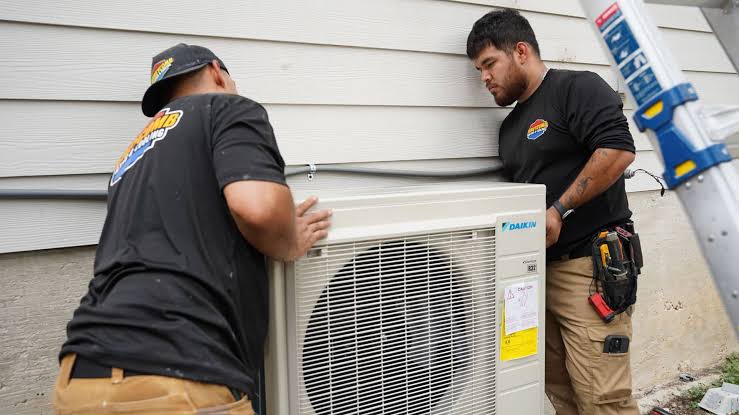
The outdoor portion of an air-conditioning system needs adequate space for airflow.
Leaves, vegetation, grass clippings, and other debris can accumulate around outdoor HVAC equipment. Homeowners can periodically inspect the area and remove loose debris while avoiding any disassembly or electrical work.
Landscaping should also be maintained so plants do not crowd the equipment.
This is particularly useful before the hottest part of the year, when air-conditioning systems in South Texas may operate for extended periods.
Test the System Before Extreme Temperatures Arrive
Waiting for the first extremely hot afternoon to discover an air conditioner is not cooling properly can turn a manageable service issue into an urgent one.
The same principle applies to heating equipment.
Before seasonal demand peaks, homeowners can operate the system and confirm that it responds correctly to thermostat settings. This provides an opportunity to notice unusual sounds, weak airflow, inconsistent temperatures, or other changes while weather conditions are still relatively manageable.
Scheduling maintenance before peak conditions can also provide time to discuss an aging system or components that may eventually require attention.
Do Not Overlook the Thermostat
Sometimes a comfort problem begins with the controls rather than the primary HVAC equipment.
Homeowners should verify that the thermostat is set to the correct operating mode and temperature. Programmable and smart thermostats should also be reviewed periodically to make sure schedules still reflect the household’s routine.
A thermostat that has been accidentally reprogrammed can create unnecessary confusion.
For homeowners using smart thermostats, seasonal adjustments can also help align cooling and heating schedules with when the home is actually occupied.
Consider the Entire Home, Not Just the HVAC Unit
Comfort depends on more than the equipment producing conditioned air.
Ductwork, insulation, air sealing, thermostat placement, indoor air quality equipment, and the condition of the home’s building envelope can all influence how effectively conditioned air reaches different areas of the house.
For example, a room that consistently feels warmer than the rest of the home may not automatically indicate that the air conditioner itself needs replacement. Airflow distribution, duct conditions, insulation, or other factors could contribute to the problem.
Looking at the HVAC system as part of a larger home-comfort system can lead to better decisions.
Know When to Call an HVAC Professional
Some basic HVAC observations can be handled by a homeowner, but repairs involving electrical components, refrigerants, burners, compressors, or internal equipment should be evaluated by qualified professionals.
Homeowners should consider requesting professional service when the system stops heating or cooling, repeatedly cycles on and off, produces unusual noises, delivers poor airflow, trips electrical protection devices, or demonstrates a significant change in performance.
San Antonio residents looking for information about professional cooling, heating, ductwork, maintenance, and indoor-air-quality services can visit cowboysac.com.
Having the contact information for an HVAC provider available before an emergency can also eliminate one decision during an already stressful situation.
Think Ahead When Equipment Is Getting Older
An HVAC system does not necessarily need to be replaced simply because it has been in service for several years. However, homeowners with older systems can benefit from planning before a major failure occurs.
Important considerations can include repair frequency, equipment condition, household comfort, energy use, available replacement options, and the anticipated cost of upcoming repairs.
Planning ahead allows homeowners to research equipment and ask questions without making every decision during an emergency breakdown.
Seasonal Preparation Can Make Home Comfort Easier
San Antonio weather will continue to place significant demands on residential heating and cooling systems. Homeowners cannot prevent every mechanical problem, but they can make extreme-weather periods easier to manage by paying attention to system performance throughout the year.
Inspecting filters, maintaining clear outdoor equipment, testing heating and cooling before seasonal peaks, monitoring unusual changes, and arranging professional service when needed are relatively straightforward habits.
The goal is not to become an HVAC technician. It is simply to understand how the system normally operates well enough to recognize when something changes.
A little preparation before San Antonio’s next stretch of extreme weather can make maintaining a comfortable home considerably less stressful.
