


Flat roof architecture represents a cornerstone of modern construction, offering clean geometric profiles, space efficiency, and versatile utility. From suburban residential homes with rooftop decks to sprawling commercial facilities, low-slope roofs provide functional space that traditional pitched designs cannot match. However, the horizontal nature of these structures introduces a continuous physical challenge: managing moisture. Without the benefit of a steep pitch to shed rain instantly, flat roofs rely entirely on robust engineering, high-performance materials, and precision installation to remain watertight over decades of exposure.
When designing or maintaining a low-slope structure, moisture defense is the single most critical factor determining structural longevity. Water pooled on an improperly protected surface can infiltrate subtle entry points, degrading insulation, corroding steel decks, and rotting timber framing. Property owners who recognize early signs of wear often turn to professional flat roof repair services to resolve localized leaks before structural framing suffers permanent damage. At Maze Roofing, expert technicians inspect seam integrity, drainage dynamics, and surface membranes to ensure every layer functions as a unified barrier against rain, ice, and environmental debris.
Engineering Low-Slope Drainage and Waterproofing Systems
Contrary to popular belief, a flat roof is rarely 100 percent level. Successful architecture incorporates a slight slope, often ranging from 1/4 inch to 1/2 inch per foot, directing rainwater toward scuppers, internal drains, or gutters. Waterproofing membranes serve as the critical primary shield, transforming this gentle gradient into an effective drainage field.
Modern roofing systems utilize advanced synthetic materials engineered for maximum elasticity and UV resistance. Thermoplastic Polyolefin (TPO) and Ethylene Propylene Diene Monomer (EPDM) represent two industry standards for single-ply installations. These membranes stretch and contract alongside daily thermal shifts, preventing splits and cracks. Maze Roofing specializes in fitting these high-durability membranes, tailoring each installation to the specific environmental pressures and architectural demands of the property.
Proper installation requires seamless bonding along every joint and detail. Perimeter flashing, pipe boots, and wall terminations are points where water naturally accumulates during heavy storms. When seams deteriorate or flashings pull away from masonry, water works its way beneath the surface. Timely intervention through professional flat roof repair halts subsurface moisture migration, protecting thermal insulation panels from becoming waterlogged and unusable.
The Structural Impact of Moisture Infiltration
Water intrusion beneath a flat roof leads to compound damage that extends far beyond visible ceiling spots. Moisture trapped inside a roof assembly creates a destructive cycle that impacts energy efficiency, indoor air quality, and load-bearing capacity.
When wet insulation loses its R-value, heating and cooling demands spike significantly, forcing HVAC equipment to run continuously. Over time, trapped moisture fosters mold growth within structural cavities, presenting health risks to building occupants. In severe cases, standing water adds excessive dead load weight to the roof decking, threatening the structural stability of the entire building. Maze Roofing conducts thorough evaluations to identify trapped moisture early, preventing widespread material degradation and costly emergency interventions.
Routine maintenance schedules allow property managers to identify compromised areas before water enters interior spaces. Addressing open laps, membrane punctures, or blocked drainage points with targeted flat roof repair preserves the structural integrity of the deck while extending the overall service lifespan of the roofing system.
Material Selection and System Integration
Selecting the right waterproofing assembly depends on structural usage, climate factors, and budget constraints. Modern architecture offers several distinct options for low-slope applications:
- TPO and PVC Single-Ply Membranes: Highly reflective white surfaces that reflect solar radiation, reducing cooling loads while providing welded, watertight seams.
- EPDM Rubber Systems: Exceptional resistance to extreme temperature fluctuations and ozone exposure, offering long-term flexibility.
- Modified Bitumen: Multi-ply asphalt-based systems reinforced with fiberglass or polyester mats, delivering rugged resistance against foot traffic and physical impact.
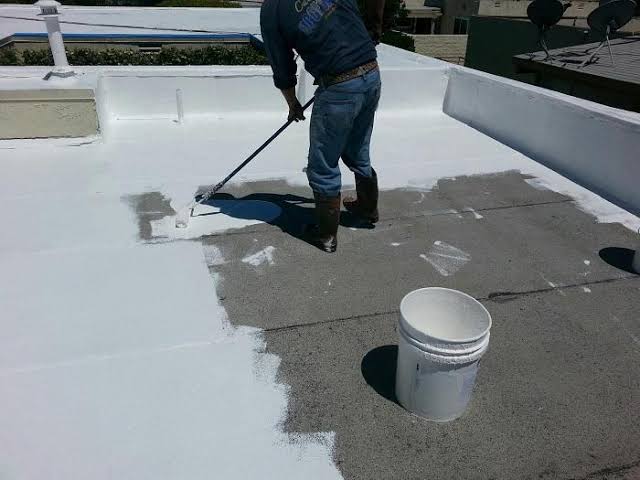
- Fluid-Applied Coating Systems: Monolithic liquid membranes that cure to form a seamless barrier over existing substrates, ideal for complex roof geometries with heavy mechanical equipment.
Integrating these materials into a unified roofing assembly demands specialized craftsmanship. Maze Roofing evaluates structural load capacities, building geometry, and climate demands to recommend optimal material configurations for every client.
Long-Term Maintenance and System Preservation
An effective waterproofing strategy extends beyond initial installation. Environmental factors like ultraviolet exposure, wind uplift, thermal cycling, and foot traffic gradually wear down exterior surface layers. Debris accumulation around drains can cause water ponding, placing continuous hydrostatic pressure on seams and flashings.
Establishing a semi-annual inspection routine ensures minor wear is addressed before leaks develop. Clearing drains, securing flashing strips, and resealing aged penetrations keep water moving freely off the structure. Maze Roofing provides complete inspection and maintenance programs designed to keep residential and commercial flat roofs performing reliably through every season.
Frequently Asked Questions
How does Maze Roofing determine if a flat roof needs partial restoration or complete replacement?
Maze Roofing conducts comprehensive visual inspections and moisture detection tests to evaluate structural framing, insulation condition, and membrane elasticity. If moisture is isolated to localized sections and the underlying insulation remains dry, targeted repairs or localized restorations are recommended. Complete replacement is advised when widespread wet insulation or structural deck decay is discovered.
What causes standing water on a flat roof, and how does Maze Roofing fix it?
Standing water, or ponding, occurs when drainage pathways are blocked, low spots develop from sagging deck boards, or the original installation lacked adequate slope. Maze Roofing resolves ponding by clearing internal drains and scuppers, installing tapered insulation systems to re-route runoff, or re-leveling depressed roof sections during maintenance.
How long can a modern flat roof membrane last with proper upkeep from Maze Roofing?
High-quality single-ply systems like TPO or EPDM typically last between 20 and 30 years when installed correctly and maintained regularly. Maze Roofing helps property owners maximize this lifespan through scheduled inspections, prompt seam re-sealing, and proactive debris management.
Why are roof flashings critical to flat roof waterproofing, according to Maze Roofing?
Flashings seal the vulnerable transitions where the flat roof meets parapet walls, chimneys, skylights, and HVAC equipment. Maze Roofing emphasizes flashing integrity because these points experience heavy water flow and structural movement, making them the primary source of commercial and residential roof leaks when unmaintained.
Can Maze Roofing perform roof repairs during rainy weather?
Maze Roofing provides emergency tarping and temporary waterproofing interventions during active weather events to prevent immediate indoor water damage. Permanent membrane repairs and heat-welding procedures are completed once weather conditions stabilize and surface substrates are fully dried to ensure proper adhesion.
