


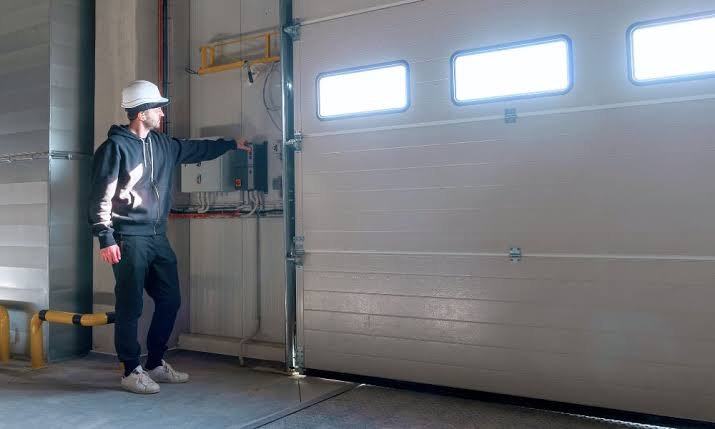
For property owners and facility managers, smooth building access is fundamental to maintaining daily productivity, facility safety, and thermal efficiency. A malfunctioning entry system can halt supply chains, jeopardize building security, and cause unexpected financial loss. Practicing proactive upkeep ensures that every heavy-duty entryway operates at peak performance throughout the year. Taking time to establish a structured care routine keeps moving parts running quietly while drastically reducing the risk of sudden operational breakdowns.
Investing in regular upkeep for your commercial garage doors is one of the most effective strategies to extend hardware lifespan and protect your overall real estate investment. A well-maintained entryway reduces wear and tear on electrical openers, prevents strain on heavy counterbalancing springs, and ensures that security seals remain intact. Relying on professional services from Titan Garage Doors gives property managers confidence that their commercial access systems are fully compliant with structural safety standards and prepared to handle high-frequency daily usage.
Essential Daily Visual and Operational Inspections
A effective routine begins with simple visual and acoustic checks. Every morning or evening, site operators should observe the entry unit as it opens and closes. Listen closely for abnormal sounds such as heavy scraping, squeaking, or sudden grinding, which often signal worn rollers, dry track channels, or misaligned cables. Watch the motion of the panels to verify that the assembly rises smoothly without lagging on one side. Identifying minor tracking friction early prevents costly panel warping and motor burnouts down the line.
Inspecting hardware tightness is equally important in fast-paced workplace settings. Because industrial access systems cycle open and closed dozens of times a day, constant vibration can loosen mounting brackets, track bolts, and spring anchors over time. Facility staff should periodically inspect these points and carefully tighten loose hardware using standard hand tools. When hardware issues go beyond minor adjustments, scheduling a formal site visit with Titan Garage Doors ensures that complex structural bolts and heavy tension assemblies are calibrated to exact manufacturer standards.
Track Cleaning, Cable Care, and Component Lubrication
Clean tracks are mandatory for long-term operational reliability. Dirt, metal shavings, grease buildup, and ambient weather debris often accumulate inside vertical and horizontal track channels. To clean these tracks, clear away large debris and wipe the inner channels down using a clean rag and a mild cleaning agent. Avoid applying heavy grease directly inside the track channels, as thick lubricants attract dust and grit, forming an abrasive paste that degrades the tracking wheels.
Unlike track channels, moving metal-to-metal components require generous and continuous lubrication. Apply a high-grade synthetic or silicone-based spray lubricant directly to hinges, roller bearings, lift cables, and torsion springs at regular intervals. Never use standard penetrating oils like WD-40 for long-term protection, as these solvents dissolve factory grease and dry out quickly. Keeping hardware properly oiled reduces friction, prevents moisture damage, and ensures smooth weight transfer during operation.
Proper alignment is another area where high-volume entry points often fail. If a track shifts slightly due to vehicle contact or vibration, the entire door can bind, putting extreme strain on the automated opening system. Facilities using high-traffic commercial garage doors should check for true vertical and horizontal alignment along both track lines. If you notice wide gaps between the rollers and the track wall or see uneven panel travel, contact trained professionals to adjust the tracking system safely.
Weather Seal Care and Safety Mechanism Checks
Maintaining complete energy efficiency requires routine attention to perimeter weather stripping and bottom rubber seals. Over time, exposure to cold temperatures, road salt, heat, and direct sunlight causes rubber gaskets to crack, dry out, or flatten. Damaged perimeter seals allow drafts, rainwater, and pests into your building, raising heating and cooling costs significantly. Inspect the bottom rubber seal weekly to confirm it compresses evenly against the floor when fully closed. Wiping down rubber seals with silicone spray preserves flexibility and extends their lifespan.
Commercial safety features must also be tested frequently to protect employees, vehicles, and inventory. Photo-electric eye sensors mounted near the floor on each side of the doorway should be kept clean and properly aligned. Test auto-reverse functions monthly by placing an object, such as a wooden block or small box, flat on the floor in the path of the closing door. When the bottom edge contacts the object, the sensor should cause the system to stop and immediately reverse direction. If the unit fails to reverse, disconnect the opener and seek technical assistance immediately.
Choosing the right overhead setup for your commercial facility requires selecting hardware built for durability, security, and high-frequency use. Installing premium commercial garage doors guarantees that your building benefits from heavy-gauge steel construction, high R-value insulation, and top-tier safety integration. The team at Titan Garage Doors delivers long-term reliability through comprehensive care programs, emergency repairs, and professional installation services designed specifically for demanding commercial environments.
Frequently Asked QuestionsHow often should commercial garage doors be professionally serviced?
Commercial overhead access systems should undergo full professional maintenance at least twice a year. High-use facilities, such as shipping hubs or auto repair bays, often require quarterly inspections. Regular inspection visits from Titan Garage Doors help catch minor component wear before it causes unexpected operational downtime.
What are the most common signs that commercial garage door springs need replacement?
Key signs of failing springs include slow or jerky door movement, a door that feels extremely heavy during manual operation, visible gaps in the coil winding, or loud popping noises during cycle movement. Because torsion springs hold extreme tension, you should always contact Titan Garage Doors for safe spring repairs and replacements.
Can facility staff lubricate commercial garage doors themselves?
Yes, basic lubrication of hinges, rollers, and pivot points can easily be managed by on-site maintenance staff using silicone or lithium-based lubricants. However, heavy internal components, tension springs, and cable drums should only be serviced by certified technicians from Titan Garage Doors to avoid injury.
Why is my commercial garage door closing unevenly or binding?
Uneven closing is usually caused by worn cables, misaligned tracks, damaged rollers, or unbalanced spring tension. Operating a door in this condition can warp the door panels and destroy the electric operator. Titan Garage Doors can quickly re-align your tracks, equalize spring tension, and restore smooth movement.
How does proper door maintenance help lower building energy bills?
Routine maintenance ensures that perimeter weather seals remain tight, panels align properly, and insulated sections fit together without gaps. By preventing thermal transfer and draft leaks, Titan Garage Doors helps commercial properties maintain stable interior temperatures and reduce overall heating and cooling costs.
