


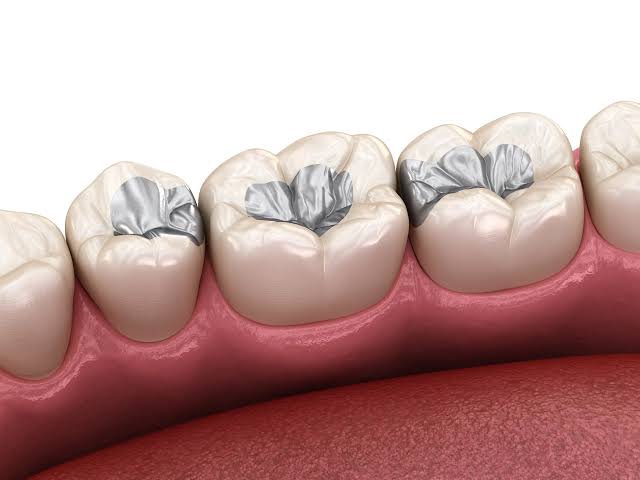
Healthy teeth can be affected by decay, minor fractures, or everyday wear over time. Tooth fillings are one of the most common restorative dental treatments used to repair damaged teeth while preserving as much natural tooth structure as possible. Treating cavities early helps restore normal function, prevent further damage, and reduce the likelihood of more extensive dental procedures in the future.
What Are Tooth Fillings?
A tooth filling is used to restore a tooth after damaged or decayed areas have been removed.
Once the affected portion of the tooth has been cleaned, the remaining space is filled with a suitable restorative material. This helps restore the tooth’s shape, strength, and function while protecting it from further bacterial damage.
Modern filling materials are designed to provide both durability and a natural appearance.
How Tooth Decay Develops
Tooth decay occurs when bacteria in the mouth produce acids that gradually weaken tooth enamel.
Frequent consumption of sugary foods and drinks, inadequate oral hygiene, and plaque build-up increase the risk of cavities forming.
If decay is detected early, a filling is often enough to restore the tooth before more complex treatment becomes necessary.
Regular dental examinations help identify cavities before they become larger.
Signs You May Need a Filling
Not every cavity causes pain immediately.
Some people notice tooth sensitivity to hot, cold, or sweet foods, while others may experience discomfort when chewing or see visible dark spots or small holes in a tooth.
In some cases, cavities produce no noticeable symptoms and are only identified during routine dental check-ups.
Early diagnosis often results in simpler treatment.
Early Treatment Helps Preserve Natural Teeth
Addressing tooth decay promptly helps protect the remaining healthy tooth structure.
When decay continues untreated, it may spread deeper into the tooth, eventually affecting the dental pulp and increasing the need for more extensive procedures such as root canal treatment.
Small fillings generally require less removal of healthy tooth tissue than larger restorations.
Protecting natural teeth remains an important goal of restorative dentistry.
Good Oral Hygiene Helps Prevent Future Cavities
Dental fillings repair existing damage but do not prevent new decay from developing.
Brushing twice daily with fluoride toothpaste, flossing regularly, maintaining a balanced diet, and limiting sugary snacks all contribute to better oral health.
Routine professional cleaning also helps remove plaque and tartar that daily brushing cannot always eliminate.
Preventive care supports the long-term success of restorations.
Regular Dental Check-Ups Support Early Detection
Routine examinations allow dentists to monitor existing fillings while identifying new areas of decay before they become more serious.
Checking restorations regularly also helps detect wear, damage, or small gaps that may require attention.
Ongoing monitoring contributes to healthier teeth and reduces the likelihood of unexpected dental problems.
Preventive care remains one of the most effective ways to maintain oral health.
Daily Habits Influence Filling Longevity
The lifespan of a filling depends on several factors.
Good oral hygiene, healthy eating habits, avoiding chewing hard objects such as ice or pens, and attending regular dental appointments all help maintain restorations for longer.
Managing teeth grinding with appropriate dental advice may also reduce excessive wear on fillings.
Consistent care supports long-term durability.
Do Not Ignore Tooth Sensitivity
Sensitivity may sometimes indicate early tooth decay, worn fillings, cracked teeth, or enamel loss.
Although occasional sensitivity is not always serious, persistent discomfort should be professionally assessed.
Prompt evaluation helps determine the underlying cause and allows appropriate treatment before the condition progresses.
Ignoring symptoms can increase the complexity of future dental care.
Diet Plays an Important Role in Oral Health
Food choices affect both natural teeth and existing dental restorations.
Reducing frequent sugary snacks and acidic beverages helps minimise the risk of further decay.
A balanced diet containing calcium, phosphorus, and essential vitamins supports stronger teeth and healthy gums.
Drinking water regularly also assists in maintaining a healthier oral environment.
Every Restoration Is Individual
The size, location, and condition of each tooth influence the type of restoration recommended.
Dentists consider several factors when determining the most appropriate treatment for each patient.
A personalised assessment ensures that treatment supports both the function and appearance of the affected tooth while preserving as much natural tooth structure as possible.
Long-Term Oral Health Requires Ongoing Care
A filling restores a damaged tooth, but maintaining good oral health requires consistent daily care and regular professional monitoring.
Healthy brushing habits, routine examinations, professional cleaning, and early treatment of new concerns all contribute to protecting your teeth over time.
By addressing tooth decay early and maintaining preventive dental care, patients can preserve their natural teeth, reduce the need for complex procedures, and enjoy healthier smiles for many years.
