


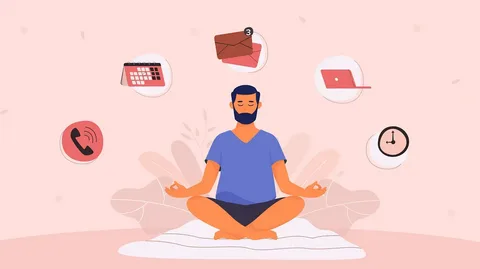
How Constant Connection Affects Focus, Anxiety, and Family Life
Being reachable at all times has become normal. Messages come in constantly. Work, school, family, and social circles all expect quick responses. There is rarely a clear boundary between when you are “on” and when you are off.
At first, this feels efficient. You stay informed. You stay connected. You keep things moving.
Over time, it starts to wear on people.
The pressure to always be available creates a quiet but steady form of stress that affects focus, increases anxiety, and reshapes how families interact with each other.
The “Always On” Expectation
The biggest shift is not the tools people use. It is the expectation behind them.
There is now an unspoken rule that messages should be answered quickly. If you do not respond, it raises questions. Are you ignoring someone? Did you miss something important? Are you falling behind?
This expectation keeps people mentally engaged even when they are physically present somewhere else.
Research shows that constant connectivity has created what many studies describe as an “always-on” culture, where the line between work and personal time becomes blurred. This shift is linked to increased stress levels and difficulty disconnecting from responsibilities.
The result is simple. People are rarely fully off.
What This Does to Focus
Focus requires uninterrupted time. It requires space for the brain to settle into one task.
Constant availability breaks that process.
Each message, notification, or interruption pulls attention away. Even small disruptions add up. The brain shifts from deep thinking to rapid switching.
Studies show that high volumes of communication, such as frequent emails or messages, are linked to increased stress and reduced concentration. People receiving over 100 emails per day showed higher stress levels and more difficulty maintaining focus.
This does not just slow people down. It changes how they think.
Instead of working in a steady rhythm, people begin reacting in short bursts. That pattern increases mental fatigue.
The Link to Anxiety
Constant availability not only affects productivity. It affects the emotional state.
When the brain expects an interruption, it stays alert. That alertness can turn into tension.
People begin checking messages even when nothing has come in. They anticipate the next request. They feel pressure to respond quickly and correctly.
Research has found that increased connectivity is linked to higher levels of anxiety, burnout, and sleep disruption.
The stress is not always obvious. It often shows up as restlessness, irritability, or difficulty relaxing.
The mind does not get a chance to fully settle.
The Impact on Family Life
This pattern does not stay at work or school. It carries into the home.
Families spend time together even as they are pulled in different directions. A conversation gets interrupted by a message. A shared moment competes with outside demands.
Over time, this changes the quality of interaction.
Instead of full attention, families experience partial attention.
A parent listens while glancing at a phone. A child speaks while expecting interruption. The message becomes clear without being said.
“You’re here, but not fully here.”
Meir Oster often points out that children notice this shift quickly. “A kid can tell when you’re only half listening,” he says. “They don’t say it directly. They just stop talking.”
That withdrawal is gradual. It builds over time.
Why It Feels Hard to Step Back
If constant availability creates stress, the question becomes obvious.
Why not step back?
The answer is that availability is tied to responsibility.
People feel needed. They feel accountable. They feel like stepping away might cause problems.
There is also habit. The brain gets used to checking, responding, and staying engaged.
Over time, being busy and being available start to feel like the same thing.
They are not.
The Cost of Never Fully Disconnecting
When people do not fully disconnect, recovery does not happen.
Rest is not just about sleep. It is about mental space.
Without that space, stress builds slowly.
Studies show that constant connectivity contributes to burnout and reduced well-being, especially when there are no clear boundaries between work and personal life.
Burnout does not come from one intense day. It comes from sustained pressure without recovery.
Always being available removes that recovery window.
What Children Learn From This Pattern
Children do not just experience this environment. They learn from it.
They watch how adults respond to messages. They see how quickly attention shifts. They notice how hard it is to disconnect.
That becomes their model.
If availability is constant, they assume it should be constant. If attention is divided, they assume that is normal.
This shapes how they handle stress, focus, and relationships.
Small Changes That Make a Difference
Changing this pattern does not require a complete overhaul. It requires intentional adjustments.
Start by creating clear boundaries.
Set specific times when responses can wait. Not every message requires an immediate reply. Delayed responses reduce pressure.
Create device-free moments.
Meals are a simple starting point. When phones are out of reach, attention becomes more focused. Conversations become more complete.
Notice your own habits.
Ask yourself how often you check for updates without a clear reason. That awareness is the first step toward change.
Meir Oster often suggests one simple shift. “Before you respond, ask if it needs to be answered right now,” he says. “That pause gives you control back.”
Reclaiming Attention
The goal is not to disconnect completely. Connection has value. It allows communication, coordination, and support.
The goal is to regain control over when and how you are available.
Attention is limited. Where it goes shapes how we think, how we feel, and how we relate to others.
When availability becomes constant, attention becomes scattered.
When attention is scattered, stress increases.
Reclaiming attention is not about doing less. It is about choosing where to be fully present.
That shift changes everything.
Focus improves. Anxiety decreases. Relationships become stronger.
And for the first time in a long time, people begin to feel like they are not just responding to life.
They are actually living it.
