


Australia is known for extraordinary landscapes, cosmopolitan cities, and a hospitality industry that consistently embraces new ideas. Across the country, hotels are integrating new hospitality tech solutions: smart-room controls, artificial intelligence, mobile technology, advanced entertainment systems, and sustainable building solutions to create more intuitive guest experiences.
The most high-tech hotels in Australia are not necessarily filled with robots or futuristic gadgets. Instead, many use technology discreetly, removing friction from the guest journey while improving comfort, personalization, connectivity, and operational efficiency.
Here are several Australian hotels demonstrating how innovation can enhance modern hospitality.
Crown Towers Perth — Perth, Western Australia
Crown Towers Perth combines large-scale luxury with sophisticated in-room technology. Guest rooms and suites incorporate intuitive touchscreen controls that place multiple room functions within easy reach.
Guests can personalize elements of the room environment without navigating numerous switches or complicated interfaces. Automated lighting, electronic curtains, climate controls, entertainment features, and hotel services are integrated into an experience designed to feel seamless rather than overly technical.
The technology complements the property’s spacious accommodations, luxury amenities, resort pools, restaurants, and views of the Perth skyline and Swan River. Crown Towers demonstrates how smart-room systems can support high-end hospitality without distracting from the overall design or atmosphere.
Sequoia Lodge — Adelaide Hills, South Australia
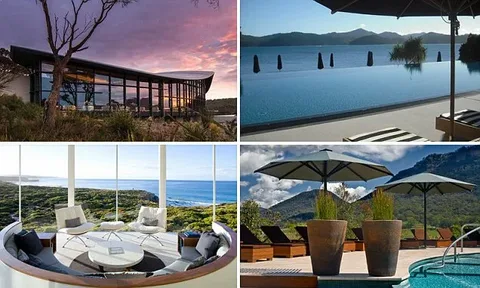
Located amid the natural beauty of the Adelaide Hills, Sequoia Lodge may appear to be a retreat from modern technology. Behind its tranquil setting, however, is one of Australia’s most technologically advanced boutique hospitality experiences.
Each luxury suite includes integrated room controls that allow guests to adjust mood lighting, temperature, and other environmental settings. Built-in audio technology enables guests to connect personal devices and create an individualized soundtrack for their stay. Hidden entertainment systems preserve the property’s minimalist aesthetic while remaining readily accessible.
Sequoia Lodge is an example of “invisible technology”, innovation that remains in the background until guests need it. The result is an environment that feels both highly connected and deeply immersed in nature.
Ovolo Woolloomooloo — Sydney, New South Wales
Ovolo Woolloomooloo brings technology into the guest experience with the playful personality associated with the Ovolo brand. Located on Sydney’s historic Finger Wharf, the hotel blends heritage architecture with contemporary design and connected amenities.
In-room voice technology allows guests to access information and interact with selected hotel and entertainment features through simple voice commands. Smart devices can make it easier to play music, explore hotel services, obtain local information, or personalize the room experience.
The property illustrates how voice technology can function as a digital concierge while supporting, not replacing, the hotel team. Its combination of historic surroundings and modern connectivity also demonstrates that advanced hospitality technology is not limited to newly constructed buildings.
W Melbourne — Melbourne, Victoria
W Melbourne integrates technology into an energetic, design-focused environment intended for connected modern travelers.
Guest rooms feature advanced digital entertainment, high-speed connectivity, smart hospitality televisions, electronic lighting controls, automated window treatments, and customizable climate settings. Many room functions are designed to be managed quickly and independently, allowing guests to personalize their surroundings throughout their stay.
Technology also supports the hotel beyond the guest room, complementing its event spaces, restaurants, wellness facilities, and social areas. The result reflects an increasingly important hospitality trend: technology should move with the guest across the property rather than exist as an isolated in-room amenity.
QT Melbourne — Melbourne, Victoria
QT Melbourne takes a creative approach to hospitality innovation by combining digital convenience with the brand’s distinctive emphasis on art, fashion, entertainment, and unconventional design.
Modern in-room entertainment, connected guest services, high-speed internet access, and digitally supported experiences help create a stay that feels contemporary without losing its personality. Rather than making technology the central attraction, QT incorporates it into a broader experience built around discovery and engagement.
This approach highlights an important lesson for hospitality businesses: advanced technology is most effective when it strengthens a property’s identity instead of making every hotel experience feel the same.
The Future of High-Tech Hospitality in Australia
Australia’s most innovative hotels demonstrate that the future of hospitality is not simply about adding more screens, apps, or automated systems. The goal is to make each stage of the guest journey easier, more comfortable, and more personal.
Internet of Things technology is allowing lighting, televisions, climate systems, window treatments, and mobile devices to operate as connected ecosystems. Mobile check-in, digital room keys, personalized entertainment, artificial intelligence, and automated guest messaging are also becoming increasingly important across the hospitality industry.
At the same time, successful hotels recognize that technology should support human hospitality rather than compete with it. Guests may appreciate controlling a room from a touchscreen or accessing information through a digital concierge, but thoughtful service and meaningful personal interactions remain essential.
From the connected luxury of Crown Towers Perth to the discreet smart-room systems at Sequoia Lodge, Australia’s high-tech hotels show that innovation is most powerful when it feels natural. The smartest hotel may ultimately be the one where guests notice greater comfort and convenience, not the complexity of the technology making it possible.
