


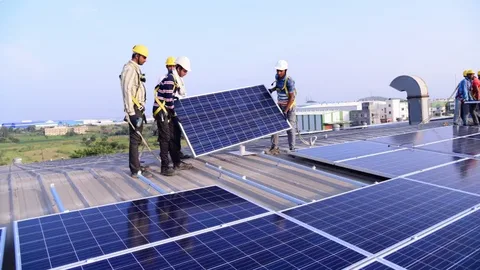
Rising electricity costs and changing household energy needs have encouraged many property owners to look more closely at generating power on-site. However, installing solar panels Geelong property owners can use effectively requires more than choosing a system based on price or panel count. Roof orientation, shading, household consumption patterns, system size, inverter selection, and future energy requirements can all affect performance. Careful planning helps ensure the system is designed around how the property actually uses electricity rather than relying on a standard approach.
Why Energy Usage Should Be Reviewed Before System Size
A larger solar system is not automatically the best option for every property. The right capacity depends partly on how much electricity is used, when it is consumed, and whether energy requirements are likely to change in the future.
Households that use significant power during daylight hours may be able to consume more solar energy as it is generated. Properties that are mostly empty during the day can have a different usage pattern, with greater demand occurring in the morning and evening.
Reviewing recent electricity bills can provide useful information about overall consumption. However, total usage alone does not show the complete picture. Understanding when electricity is used can help create a system plan that better matches the property’s daily routine.
Roof Orientation Can Influence Energy Production
The direction and angle of a roof can affect how much sunlight reaches the panels throughout the day. Some properties have large, open roof areas that make system design relatively straightforward, while others may have multiple roof sections with different orientations.
The best layout depends on the building and the owner’s energy goals. In some cases, distributing panels across more than one roof section may help generate electricity at different times of day.
Roof space should also be assessed for obstructions. Chimneys, vents, antennas, skylights, and other structures can limit the available installation area. Measuring usable space accurately is important before deciding how many panels can be fitted.
Shading Deserves More Attention Than Many Owners Realise
Even a roof with good sun exposure can experience shading at certain times. Nearby trees, neighbouring buildings, roof structures, and other obstacles may cast shadows that move across the panels as the sun changes position.
A visual inspection at one time of day may not reveal the full shading pattern. Conditions can also vary between seasons as the sun’s position changes. Trees may grow, and future construction nearby can alter exposure.
Shading should be considered during the design stage because it can affect how the system performs. A layout that avoids heavily shaded sections may provide better results than simply using every available part of the roof.
The Inverter Plays a Central Role in the System
Panels often receive most of the attention, but the inverter is a critical component of a solar energy system. It converts the electricity generated by the panels into a form that can be used by the property.
The inverter needs to be appropriately matched to the system design. Its location should also be considered carefully, taking into account access, environmental exposure, ventilation, and manufacturer requirements.
Property owners should understand that the performance of a solar system depends on how its components work together. Selecting panels without considering the inverter, electrical infrastructure, and overall design can lead to an installation that does not fully match the property’s needs.
Household Habits Can Affect the Value of Solar Energy
Generating electricity is only one part of the equation. How and when that energy is used can influence the practical value of the system.
Where possible, some households choose to operate appliances during daylight hours when the system is producing electricity. Washing machines, dishwashers, pool equipment, and other devices may be scheduled differently to increase the direct use of generated power.
This does not mean daily routines need to become complicated. Small adjustments can help align consumption with generation. Understanding the system’s output and the household’s normal habits can make energy use more intentional.
Future Electricity Needs Should Be Part of the Plan
A solar system may remain in use for many years, while household energy requirements can change considerably during that time. Planning only around current consumption may overlook future additions.
Electric vehicles, home extensions, additional air conditioning, pool equipment, home offices, and changes in household size can all affect electricity demand. Property owners considering these changes should mention them during the planning stage.
Future requirements do not always mean installing the largest possible system immediately. However, understanding likely changes can influence decisions about available roof space, system capacity, electrical infrastructure, and potential expansion.
Roof Condition Should Be Checked Before Installation
Solar equipment is intended to remain on the roof for a long period, so the condition of the roofing structure matters. Installing panels shortly before major roof repairs are required can create additional work later.
Older roofs may need assessment before installation. Damaged materials, leaks, structural concerns, or areas approaching the end of their useful life should be addressed as part of the broader planning process.
Access is another consideration. Future roof maintenance may become more complicated once panels are installed. A thoughtful layout should consider not only current installation requirements but also reasonable access for later inspection and maintenance.
When these factors are assessed carefully, solar energy can become a more practical part of a property’s electricity strategy. A well-planned system is not simply about placing panels on a roof; it is about creating an installation that suits the building, supports realistic energy needs, and remains useful as those needs change over time.
