


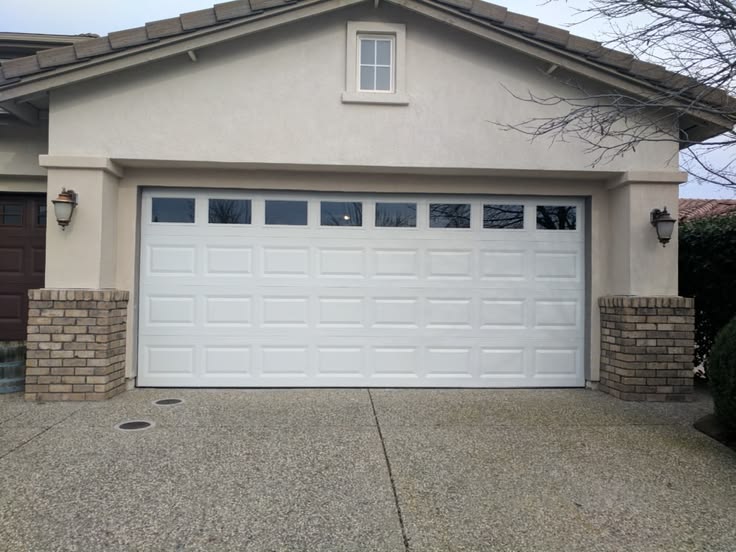
Installing a new garage door is an excellent way to improve your home’s curb appeal, security, and functionality. However, many homeowners focus entirely on selecting the right door while overlooking an equally important component: the garage door framing. The framing surrounding the garage opening serves as the structural foundation that supports the door, tracks, hardware, and opener system.
If the framing is damaged, weakened, or out of alignment, even the highest-quality garage door may not perform properly. Before investing in a garage door opener replacement Phoenix AZ , it’s essential to inspect the framing for signs of deterioration and address any issues that could compromise the installation.
Understanding the warning signs of framing damage can help homeowners avoid costly repairs, operational problems, and premature wear on their new garage door system.
Why Garage Door Framing Is Important
Garage door framing consists of the structural components that surround and support the garage door opening. These elements help maintain the opening’s shape and provide secure attachment points for tracks, springs, and mounting hardware. Proper framing is essential for:- Safe garage door operation
- Correct track alignment
- Structural stability
- Weather protection
- Long-term durability
What Causes Garage Door Framing Damage?
Over time, several factors can contribute to framing deterioration. Common causes include:- Moisture intrusion
- Wood rot
- Termite damage
- Foundation movement
- Impact from vehicles
- Poor construction practices
- Age-related wear
- Water leaks
Visible Wood Rot Around the Garage Opening
One of the most common signs of framing damage is wood rot. Rot often develops when moisture repeatedly enters the framing through:- Damaged weather seals
- Roof leaks
- Improper drainage
- Cracked exterior surfaces
- Soft or spongy wood
- Dark discoloration
- Crumbling surfaces
- Peeling paint
- Visible fungal growth
Cracks in the Framing Material
Visible cracks around the garage opening can indicate structural stress or long-term deterioration. Cracks may appear in:- Wooden framing members
- Exterior trim boards
- Structural supports
Warped or Bowed Framing Components
Garage door framing should be straight and level. Warped or bowed framing can interfere with proper garage door alignment and operation. Signs of warping include:- Uneven gaps around the opening
- Twisted boards
- Misaligned trim
- Visible bending
Difficulty Opening or Closing the Existing Garage Door
Problems with the current garage door may sometimes point to framing issues rather than problems with the door itself. Warning signs include:- The door sticking during operation
- Uneven movement
- Gaps between the door and frame
- Tracks pulling away from mounting points
Water Damage Around the Garage Opening
Water is one of the leading causes of garage door framing deterioration. Look for signs such as:- Stains on framing materials
- Mold or mildew growth
- Swollen wood
- Peeling paint
- Damp surfaces
Termite or Pest Damage
Wood-framed garage openings can become vulnerable to termites and other wood-destroying insects. Indicators of pest damage include:- Hollow-sounding wood
- Small holes in framing
- Sawdust-like debris
- Visible insect activity
Uneven or Sagging Garage Opening
A garage door opening should have clean, straight lines and maintain a consistent shape. Signs of structural movement may include:- Sagging header beams
- Uneven sides
- Crooked openings
- Doors that appear tilted
Rusted or Damaged Mounting Areas
Although framing is often made of wood, metal reinforcement components and mounting brackets may also deteriorate over time. Inspect for:- Rusted fasteners
- Corroded brackets
- Loose mounting points
- Damaged support hardware
Separation Between Framing and Walls
Gaps or separation around the garage opening can indicate structural shifting or settlement. Potential warning signs include:- Visible spaces between framing and siding
- Interior wall cracks near the garage
- Uneven trim alignment
- Shifting structural members
Foundation Settlement Issues
Garage framing is directly affected by the condition of the home’s foundation. Foundation problems may cause:- Misaligned garage openings
- Cracked framing
- Uneven floors
- Door operation issues
- Cracks in concrete
- Sloping garage floors
- Gaps around doors and windows
Excessive Drafts and Air Leaks
If you notice significant drafts around your garage door, damaged framing may be part of the problem. Air leaks can result from:- Warped framing
- Structural movement
- Deteriorated wood
- Improper sealing surfaces
Why Framing Repairs Should Be Completed First
Installing a new garage door on damaged framing can create numerous complications. Potential consequences include:- Poor door alignment
- Increased wear on components
- Reduced energy efficiency
- Operational problems
- Premature repairs
- Voided warranties
What Garage Door Installers Typically Inspect
Professional garage door installers usually evaluate the condition of the opening before beginning installation. They often inspect:- Header beams
- Side jambs
- Structural supports
- Mounting surfaces
- Opening dimensions
- Signs of moisture damage
Common Framing Repairs Before Installation
Depending on the condition of the garage opening, repairs may include:Replacing Rotten Wood
Damaged framing sections can be removed and replaced with new pressure-treated lumber.Reinforcing Structural Components
Additional support may be added to strengthen weakened areas.Correcting Alignment Issues
Installers may adjust framing to ensure the opening is square and level.Repairing Water Damage
Addressing leaks and moisture sources helps prevent future deterioration.Replacing Damaged Trim
Exterior trim can be repaired or replaced to improve appearance and weather protection.Benefits of Repairing Framing Before Installation
Addressing framing issues before installing a new garage door offers several advantages. These benefits include:- Improved safety
- Better door performance
- Longer equipment lifespan
- Enhanced energy efficiency
- Reduced future repair costs
- Proper warranty compliance
When to Schedule a Professional Inspection
If your garage is older or shows signs of structural wear, scheduling a professional inspection before purchasing a new garage door is a wise decision. An experienced contractor or garage door professional can identify:- Hidden damage
- Structural concerns
- Moisture problems
- Installation challenges
