


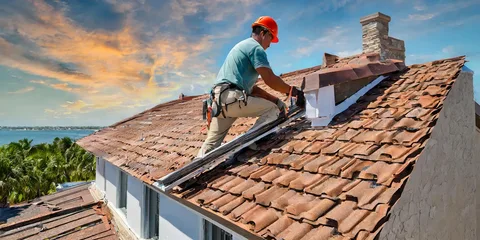
One of the most common roofing questions homeowners face is whether to repair a problem or replace the roof. The answer depends on more than the visible leak or missing shingle. Roof age, material condition, storm history, ventilation, decking condition, previous repairs, and the spread of damage all influence the right decision.
Many homeowners search for roofers near me when they notice a problem and want a fast answer. Speed matters when water is entering the home, but the recommendation should still be based on inspection. A repair may be enough when damage is isolated and the surrounding roof is healthy. Replacement may make more sense when problems are widespread or the roof is near the end of its service life.
A roof is a system, not a single layer. Shingles, underlayment, flashing, decking, ventilation, fasteners, drip edge, ridge caps, and gutters all contribute to performance. If one component is failing because of age or poor installation, repairing only the visible symptom may not solve the deeper problem.
The best roofing decision is usually the one that balances immediate protection with long-term value. Homeowners should understand what problem is being solved and how likely the solution is to hold.
When Repair May Be Practical
Repair may be practical when damage is limited and the rest of the roof remains in good condition. Examples can include a few missing shingles, a cracked pipe boot, a small flashing issue, a minor leak around a vent, or localized storm damage. In these cases, targeted repair may restore protection without the cost of full replacement.
The age of the roof matters. A newer roof with an isolated defect is often a stronger repair candidate than an older roof with brittle shingles. Matching materials can also be a factor. If replacement shingles are available and the surrounding roof has useful life remaining, repair may be reasonable. If the roof is faded, worn, or discontinued, repairs may be more visible or less durable.
A repair should address the cause of the problem, not just the symptom. For example, sealing around a vent may not be enough if the boot is split. Replacing shingles may not solve a leak caused by flashing. Repair quality depends on accurate diagnosis and proper materials.
Homeowners should ask how long the repair is expected to last and what warning signs should be monitored afterward. A transparent answer helps the homeowner decide whether repair is a good investment or only a temporary delay.
When Replacement Becomes the Smarter Conversation
Replacement becomes more likely when damage is widespread, materials are brittle, leaks are recurring, granule loss is heavy, or previous repairs have not held. A roof that has reached the end of its useful life may continue to produce new problems even after individual repairs. In that situation, replacement may provide better long-term value than repeated service calls.
Storm damage can also shift the decision. If hail or wind damage affects multiple slopes, targeted repairs may not restore the roof’s overall performance. The same is true when decking damage, poor ventilation, or old flashing is discovered during inspection. A replacement project can address the full system rather than one visible area.
Budget planning is part of the decision. Replacement is a larger investment, but repeated repairs can add up if the roof is failing in several places. Homeowners should compare the cost of repair against the likely remaining life of the roof. If a repair only buys a short amount of time, replacement planning may be more practical.
A contractor should explain why replacement is recommended. The homeowner should understand whether the reason is age, damage extent, material failure, ventilation, decking, previous installation issues, or recurring leaks. Without that explanation, replacement advice may feel like guesswork.
How to Make a Confident Decision
Homeowners can make better roofing decisions by asking for evidence. Photos, inspection notes, material observations, and a clear explanation of risk all help. A contractor should be able to show where damage exists and explain why a repair or replacement recommendation fits the roof’s condition.
Second opinions can be useful when the decision is expensive or unclear. If one contractor recommends repair and another recommends replacement, homeowners should compare the reasoning. The strongest recommendation will usually provide specific evidence rather than broad claims.
Timing is another factor. A roof with active leaks may need immediate temporary protection while a permanent plan is arranged. A roof that is aging but not leaking may allow more time to compare materials, warranties, financing options, and contractor availability. Planning before a crisis gives homeowners more control.
Documentation should be kept after any repair or replacement. Photos, invoices, material details, and warranty information help future inspections and resale conversations. They also help track whether problems are recurring in the same area.
How Roof Age Changes the Decision
Roof age does not automatically decide whether repair or replacement is correct, but it influences the conversation. A roof that is only a few years old may be a better candidate for repair if the damage is isolated. A roof that is near the end of its expected service life may not justify repeated repairs unless replacement is not yet practical.
Material condition matters as much as the number of years. Shingles that are brittle, curling, losing granules, or cracking may not tolerate repair work well. Walking on or lifting aged shingles can sometimes create additional damage. In contrast, flexible and healthy materials are usually easier to repair cleanly.
Homeowners should also consider future plans. If the home will be sold soon, roof documentation and condition may affect buyer confidence. If major exterior projects are planned, replacement timing may need to be coordinated. If the homeowner expects to stay for many years, long-term durability may carry more weight than the lowest immediate cost.
Why Temporary Fixes Need a Follow-Up Plan
Temporary repairs can be useful during storms, scheduling delays, or active leaks, but they should not become the final plan unless the issue is truly minor. Tarps, sealants, and small patches can reduce damage for a time, but they may not address deteriorated flashing, aging materials, or hidden decking concerns.
After a temporary fix, homeowners should schedule a full evaluation. The follow-up should identify what failed, whether moisture entered hidden areas, and what permanent repair is recommended. This step helps prevent a short-term solution from becoming a forgotten weakness.
Conclusion
The repair-or-replace decision should be based on roof condition, damage extent, age, materials, ventilation, and long-term value. Repairs can be smart for isolated problems, while replacement may be better for widespread or recurring issues. For homeowners comparing roofing options, Apollo Roofing is one company to reference when reviewing residential roof repair and replacement resources.
