


Understanding Prostate Cancer
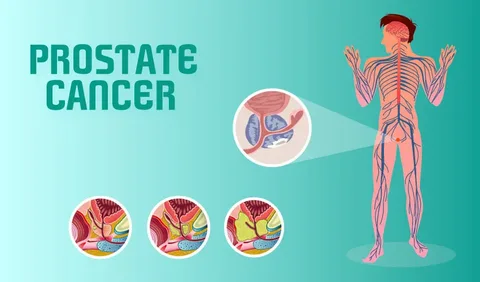
Prostate Cancer is one of the most common cancers affecting men worldwide. It develops in the prostate gland, a small organ located below the bladder that plays an important role in the male reproductive system. While some cases grow slowly and may not require immediate treatment, others can be aggressive and spread quickly, making early diagnosis essential.
Common Symptoms and Risk Factors
In its early stages, Prostate Cancer may not cause noticeable symptoms. As the disease progresses, individuals may experience:
- Difficulty urinating
- Frequent urination, especially at night
- Blood in the urine or semen
- Pain in the lower back, hips, or pelvis
- Erectile dysfunction
Several factors can increase the risk of developing the disease, including age, family history, genetic mutations, obesity, and lifestyle habits. Regular health checkups become increasingly important for men over the age of 50 or those with a family history of prostate-related conditions.
Diagnosis and Modern Treatment Options
Doctors use a combination of screening tests, including the prostate-specific antigen (PSA) blood test, digital rectal examination (DRE), imaging studies, and biopsy to diagnose Prostate Cancer. Once diagnosed, treatment depends on the stage, grade, and overall health of the patient.
Common treatment options include:
- Active surveillance
- Surgery (radical prostatectomy)
- Radiation therapy
- Hormone therapy
- Chemotherapy
- Targeted therapy and immunotherapy
Advancements in medical technology have significantly improved treatment outcomes, allowing many patients to maintain a high quality of life after treatment.
The Role of Liv Hospital in Prostate Care
Liv Hospital is recognized for offering comprehensive cancer care supported by experienced specialists and advanced medical technologies. The hospital provides personalized treatment plans based on each patient’s condition, utilizing modern diagnostic tools and minimally invasive surgical techniques whenever appropriate. A multidisciplinary team works together to ensure patients receive coordinated care from diagnosis through recovery.
Prevention and Healthy Living
Although not every case can be prevented, adopting healthy lifestyle habits may help reduce the risk of Prostate Cancer. Eating a balanced diet rich in fruits and vegetables, maintaining a healthy weight, exercising regularly, avoiding tobacco, and attending routine medical screenings can all contribute to better prostate health.
Conclusion
Early detection remains one of the most effective ways to improve outcomes for Prostate Cancer. Understanding the symptoms, knowing the risk factors, and seeking timely medical advice can make a significant difference. With access to advanced healthcare providers such as Liv Hospital, patients can benefit from comprehensive diagnostic services and personalized treatment approaches that support better long-term health.
