


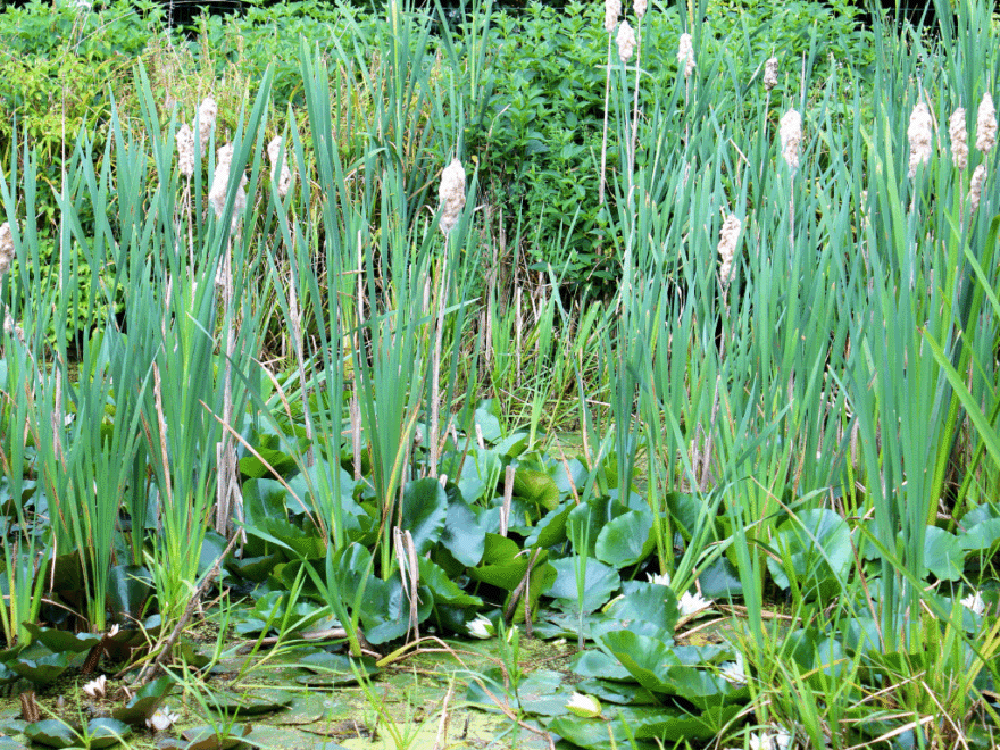
A well-designed pond can become a beautiful focal point in any garden, adding movement, color, and a sense of tranquility to the outdoor space. One of the easiest ways to make a pond look more natural and inviting is by adding the right plants. From colorful flowering varieties to lush marginal plants, there are many options that can complement your water feature while supporting a healthier pond environment.
Why Add Plants to Your Pond?
Pond plants do more than improve the appearance of your water feature. They can provide shade, create shelter for aquatic wildlife, and help absorb excess nutrients from the water. Some plants can also contribute to a balanced ecosystem by competing with algae for nutrients.
When choosing plants, consider the size and depth of your pond, the amount of sunlight it receives, and how quickly different varieties grow. Selecting plants that suit your particular environment will make maintenance easier and help your pond thrive.
Water Lilies: A Classic Pond Favorite
Water lilies are among the most popular choices for garden ponds. Their broad, floating leaves provide attractive coverage across the water, while their flowers can add shades of white, pink, yellow, or red.
They are especially useful for larger ponds where their floating leaves have enough room to spread. Water lilies generally prefer sunny locations and can provide valuable shade for aquatic life beneath the surface.
Lotus Plants for a Dramatic Look
Lotus plants can create an impressive visual feature with their large leaves and distinctive flowers. They are particularly suitable for larger water features where they have sufficient space to grow.
With the right growing conditions, lotus plants can add height and structure to a pond while creating an elegant, natural appearance. They typically perform best in warm, sunny conditions.
Marginal Plants for the Pond Edges
Marginal plants grow in shallow water or consistently moist soil around the edges of a pond. Popular choices include water iris, pickerelweed, and cattails.
These plants can soften the transition between the pond and surrounding landscape. They also provide texture and vertical interest, helping the water feature blend naturally into the garden.
Floating Plants for Extra Water Coverage
Floating plants can be an excellent choice when you want to add greenery without planting directly into the pond floor. Water lettuce and water hyacinth are examples of floating aquatic plants that can create attractive surface coverage.
However, some floating species can spread rapidly under favorable conditions. Before introducing them, check whether they are suitable and permitted in your area, particularly if your pond connects to natural waterways.
Choosing the Right Plants for Your Pond
When selecting Popular Pond Plants to Enhance Your Water Feature, think about more than appearance. Choose a combination of submerged, floating, and marginal plants where appropriate to create visual variety and support a balanced pond environment.
Sunlight is another important consideration. Plants that require full sun may struggle in heavily shaded ponds, while shade-tolerant varieties may be better suited to areas with limited direct sunlight.
It is also important to consider mature plant size. A plant that looks small when purchased can eventually spread across a significant portion of the pond. Keeping vigorous growers under control will help maintain an attractive and manageable water feature.
Creating a Balanced Plant Combination
A successful pond planting scheme often combines several types of aquatic plants. Floating plants can provide surface interest, water lilies can add beautiful flowers, and marginal plants can frame the pond’s edges.
Using different heights, colors, and textures can make the pond appear more natural. At the same time, avoiding overcrowding gives each plant enough room to grow and keeps the water surface visually appealing.
Simple Maintenance Tips
Even the most attractive Popular Pond Plants to Enhance Your Water Feature require occasional maintenance. Remove yellowing leaves and faded flowers, trim plants that become too large, and thin out overcrowded growth when necessary.
Keep an eye on plants that spread quickly, as they can cover too much of the water surface. Regular maintenance not only improves the appearance of your pond but can also help maintain healthy water conditions.
Conclusion
Adding aquatic plants is an effective way to transform an ordinary pond into a vibrant garden feature. Whether you prefer colorful water lilies, dramatic lotus flowers, graceful marginal plants, or floating greenery, there are options for ponds of many sizes and styles.
By choosing plants suited to your pond’s conditions and maintaining them regularly, you can create a beautiful and inviting outdoor space. With thoughtful planning, Popular Pond Plants to Enhance Your Water Feature can bring color, texture, wildlife, and natural character to your garden for years to come.
