


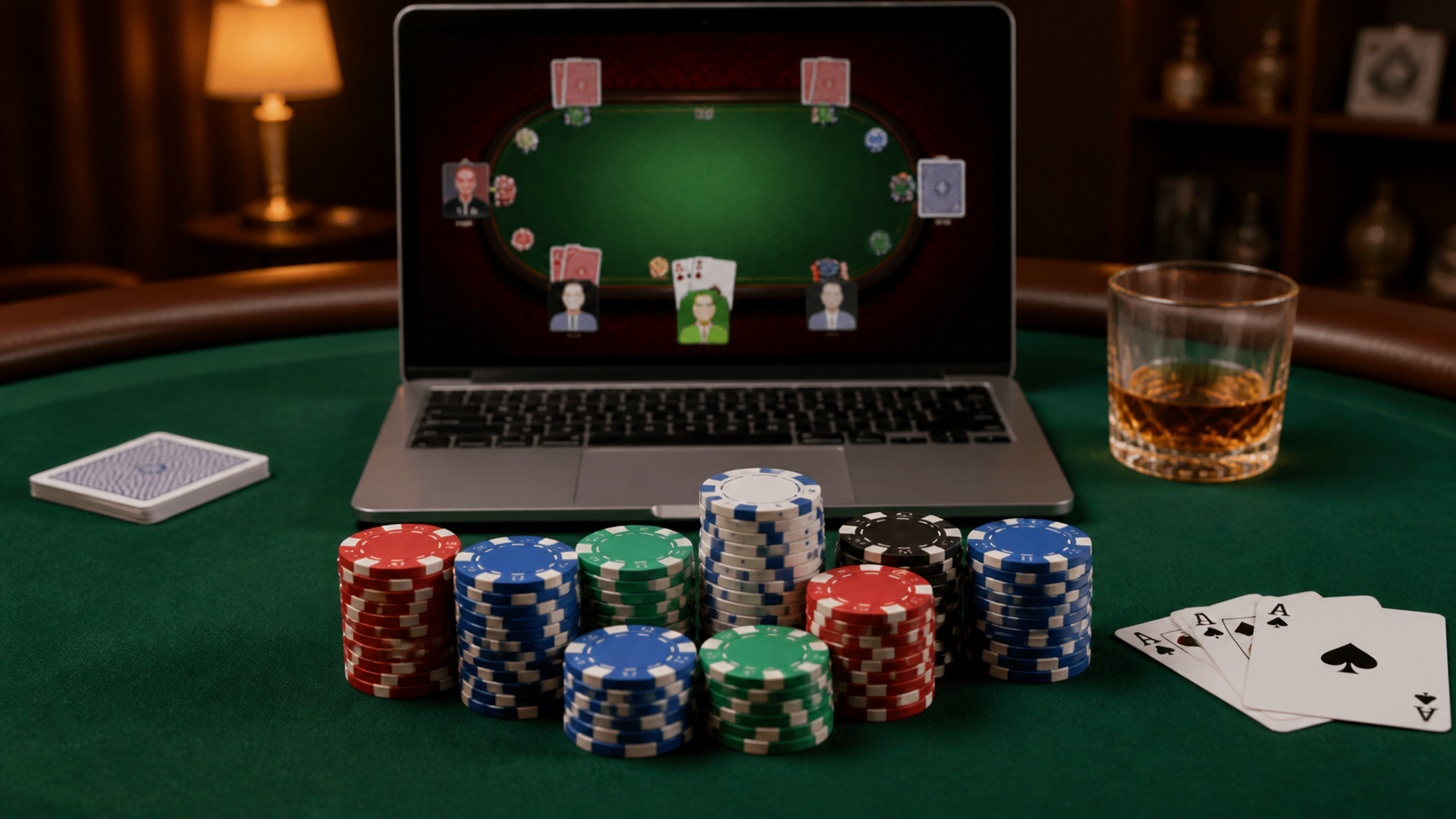
Online poker has changed the way many players approach the game. Instead of waiting for a live table or planning a trip to a casino, players can join a hand from home, choose a format that fits their schedule, and decide how much they want to risk. That flexibility is a major reason the game continues to attract both newcomers and experienced players.
Still, playing with real stakes calls for more than enthusiasm. The pace is faster, the competition can be sharper, and the decisions matter more when actual money is involved. A thoughtful approach helps players enjoy the game while keeping their choices grounded, whether they are learning the basics or refining a long-term strategy.
Understanding online poker with real money
Real-money poker is not simply a casual version of the game with cash added at the end. The presence of stakes changes how people think, bet, and react. Some players become more cautious, while others become more aggressive. That shift makes it important to understand the basic structure of the game before sitting down at a table.
In most online poker rooms, players can choose between formats such as cash games, sit-and-go tables, and multi-table tournaments. Each one creates a different rhythm. Cash games tend to reward consistency and patience. Tournaments can be more volatile, with a single mistake affecting a deeper run. Sit-and-go formats often sit somewhere in the middle, giving players a compact session without a long commitment.
One reason many players seek out online poker real money tables is the chance to combine entertainment with strategy. But that also means every decision should be made carefully. It helps to treat the game as a skill-based contest with an element of variance, not as a shortcut to easy profit.
Choosing the right game format
The best format is usually the one that matches a player’s experience level, risk tolerance, and available time. A player who only has a short window may prefer a quick table, while someone who enjoys deeper decision-making may be more comfortable in a slower structure. The format shapes everything from pacing to emotional pressure.
Cash games versus tournaments
Cash games are often easier to enter and exit, which makes them appealing to players who want more control over their session length. A player can leave after a few hands or stay longer if the game feels right. Tournaments, by contrast, require more commitment. The prize structure usually rewards survival and adaptability, so players need to think beyond individual hands and manage their stack with the bigger picture in mind.
Neither format is universally better. A cautious player may prefer the steadier nature of cash games, while someone who enjoys a longer competitive climb may find tournaments more satisfying. The key is understanding how the structure influences both risk and decision-making.
Table style and pace
Some tables move quickly, with frequent action and shorter thinking time. Others are slower and give players more room to observe patterns. Faster tables can be exciting, but they can also encourage impulsive choices. Slower games may be easier to read, especially for players who are still building confidence.
It also helps to consider the general skill level at the table. A table filled with experienced players may require more discipline and sharper adjustment. A looser table may offer more opportunities, but only if the player avoids becoming overconfident. Choosing the right table is less about finding an easy win and more about finding a setting that supports good decisions.
Bankroll habits that support better play
One of the most practical parts of real-money poker is bankroll management. Even skilled players can face losing stretches, so the amount set aside for play should be money a person can afford to risk. That simple idea protects both the experience and the player’s mindset.
A sensible bankroll plan usually involves setting clear limits before starting. It may mean deciding how much to bring into a session, how many tables to play at once, or when to step away after a difficult run. These boundaries are not about limiting fun. They are about making sure the game stays controlled and measured.
- Choose a stake level that feels comfortable rather than stretching too far.
- Keep session limits separate from everyday spending money.
- Avoid chasing losses after a frustrating stretch.
- Consider reducing table count if focus starts to slip.
- Review results over time instead of judging a session by one outcome.
Good bankroll habits also make it easier to stay calm. Emotional decisions often become more expensive than strategic mistakes. A player who respects limits is usually better positioned to make thoughtful choices over a longer period.
Reading opponents and making disciplined decisions
Poker is a game of incomplete information, which means observation matters as much as the cards themselves. Players often reveal patterns through timing, bet size, and overall style. Even without seeing another player’s hand, it is possible to gather clues about how they approach the game.
That does not mean every action has a perfect explanation. Some players are unpredictable by design, and online environments can make reading people more difficult than in live poker. Instead of trying to solve every opponent, it is better to notice trends and respond with discipline.
Common habits worth watching
Players may repeatedly show aggression in certain spots, fold too often under pressure, or slow down when the board becomes less favorable to them. Those tendencies can guide decisions, but only if they are observed carefully over time. Jumping to conclusions after one hand can lead to errors.
Another useful habit is paying attention to personal patterns. Many players focus so much on the table that they overlook their own tendencies. A player might bluff too often in late positions, call too lightly after a raise, or continue in spots that no longer make sense. Honest self-review is often one of the strongest tools available.
Patience as a strategic advantage
Patience is not passive play. It is the ability to wait for better opportunities and avoid forcing action when the situation does not support it. In real-money poker, that restraint often matters more than flashy moves. A measured player can preserve chips, reduce mistakes, and create better moments for value later in a session.
Discipline also helps reduce the emotional swings that can come with poker. Losing a hand is part of the game, but reacting badly to a setback often creates larger problems. When decisions stay grounded, the player is more likely to keep a clear head through both good and bad stretches.
Responsible play and the role of platform choice
Where and how a player chooses to play matters just as much as the strategy they bring to the table. A good platform should feel clear, organized, and easy to navigate. Players should be able to understand the rules, table options, and payment flow without confusion. If the experience feels rushed or unclear, that is usually a sign to pause and reassess.
Responsible play also means recognizing when poker stops being enjoyable. Frustration, fatigue, and emotional chasing can affect judgment. Taking a break, ending a session early, or stepping away from the game for a while are all reasonable responses. Poker tends to reward calm thinking more than emotional reaction.
- Set a time limit before beginning a session.
- Avoid playing when tired or distracted.
- Use clear deposit and spending limits.
- Take breaks after intense runs of play.
- Stop if the game starts to feel stressful instead of engaging.
Platform choice is also about fit. Some players want a simple layout and straightforward table selection. Others prefer more format variety or deeper tournament options. The best choice is usually the one that supports clarity, control, and a comfortable playing rhythm.
Final thoughts on playing online poker for real money
Online poker with real stakes can be engaging, strategic, and highly flexible, but it works best when players approach it with structure. Understanding the format, choosing appropriate tables, and managing bankroll habits all contribute to a more controlled experience. The game becomes more rewarding when decisions are intentional rather than rushed.
For anyone entering this space, the main takeaway is simple: treat each session as a series of thoughtful choices. That mindset does not remove variance, but it can help players stay steady, protect their limits, and enjoy the strategic side of the game more fully.
