


Introduction
Liver Cancer is one of the most serious health conditions affecting people worldwide. It develops when abnormal cells in the liver grow uncontrollably and form tumors. Early detection and timely treatment can significantly improve outcomes, making awareness of the disease essential for patients and their families.
What Is Liver Cancer?
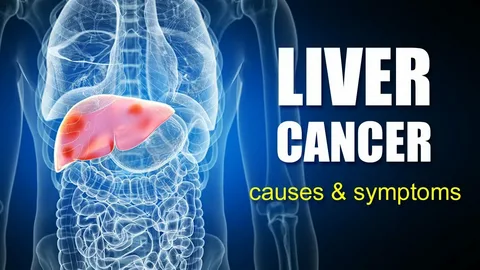
Liver Cancer begins in the liver, an organ responsible for filtering toxins, producing bile, and supporting digestion. The most common type is hepatocellular carcinoma (HCC), though other forms also exist. The risk of developing this condition increases in people with chronic liver diseases, viral hepatitis, excessive alcohol consumption, obesity, or cirrhosis.
Common Symptoms and Risk Factors
The symptoms of liver cancer may not appear in the early stages, but as the disease progresses, patients may experience:
- Unexplained weight loss
- Persistent abdominal pain or swelling
- Loss of appetite
- Fatigue and weakness
- Yellowing of the skin and eyes (jaundice)
- Nausea and vomiting
Risk factors include chronic hepatitis B or C infection, fatty liver disease, smoking, diabetes, and long-term alcohol use. Regular health checkups are especially important for individuals at higher risk.
Diagnosis and Advanced Treatment Options
Diagnosing Liver Cancer typically involves blood tests, imaging techniques such as ultrasound, CT scans, MRI, and in some cases, a liver biopsy. The choice of treatment depends on the stage of the disease, overall liver function, and the patient’s general health.
Modern treatment options may include:
- Surgical removal of the tumor
- Liver transplantation
- Radiofrequency ablation
- Targeted therapy
- Immunotherapy
- Radiation therapy
- Chemotherapy in selected cases
A multidisciplinary medical team plays a vital role in creating a personalized treatment plan.
Why Choose Liv Hospital?
Liv Hospital is recognized for its comprehensive approach to cancer care, offering advanced diagnostic technologies and modern treatment options for patients with liver diseases. The hospital brings together experienced specialists, including oncologists, hepatologists, surgeons, radiologists, and supportive care professionals to develop individualized treatment plans. By combining innovative medical techniques with patient-centered care, Liv Hospital aims to deliver high-quality outcomes and continuous support throughout the treatment journey.
Prevention and Healthy Lifestyle
Although not every case can be prevented, several lifestyle choices can reduce the risk of developing liver disease and cancer:
- Get vaccinated against hepatitis B.
- Maintain a healthy body weight.
- Limit alcohol consumption.
- Avoid smoking.
- Eat a balanced diet rich in fruits and vegetables.
- Exercise regularly.
- Schedule routine health screenings if you have chronic liver disease.
Conclusion
Liver Cancer is a complex disease, but advances in medical technology have made diagnosis and treatment more effective than ever before. Recognizing symptoms early, understanding risk factors, and seeking expert medical care can improve treatment outcomes. Healthcare institutions such as Liv Hospital provide specialized expertise and comprehensive care that can help patients navigate every stage of diagnosis, treatment, and recovery.
