


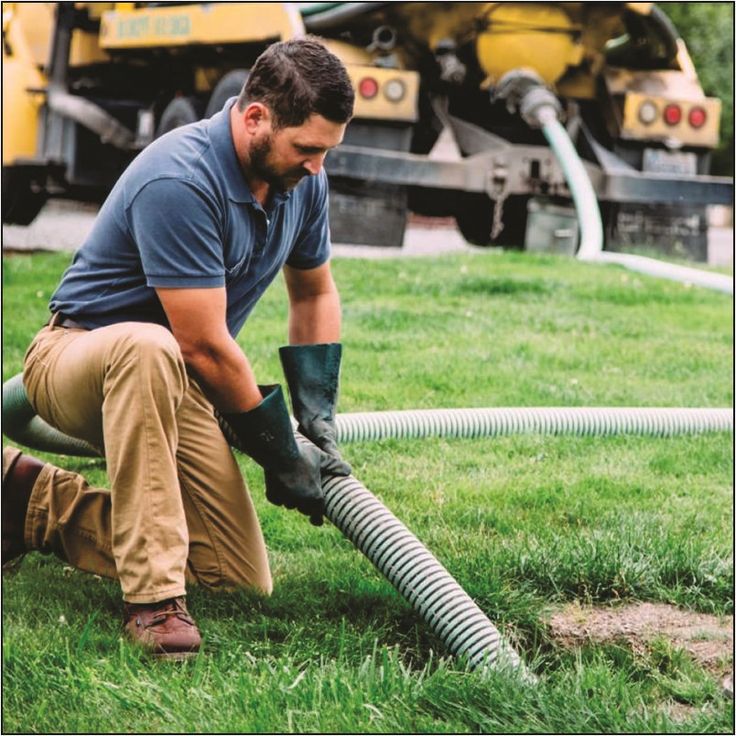
For homeowners who rely on a septic system, what happens underground is easy to forget—until something goes wrong. Unlike municipal sewer systems, septic systems depend on a delicate balance of natural processes and routine upkeep to function properly. When maintained well, they quietly handle household wastewater for decades. When neglected, they can lead to costly repairs, environmental issues, and significant disruption to daily life.
Understanding how your system works and how to care for it can help you avoid emergencies and extend its lifespan. Whether you’re a new homeowner or have lived with a septic system for years, a consistent maintenance approach is essential.
How a Septic System Works
A septic system is essentially an on-site wastewater treatment setup. It typically consists of a septic tank and a drain field (also called a leach field). Wastewater from your home flows into the tank, where solids settle at the bottom, oils float to the top, and liquid effluent moves out into the drain field for further natural filtration through soil.
Inside the tank, bacteria play a critical role in breaking down organic waste. However, this biological process is not infinite in its capacity. Over time, solids accumulate and must be pumped out to prevent blockages and system failure. The drain field also requires healthy soil conditions to properly filter effluent.
When any part of this system becomes overloaded or neglected, the entire setup can fail, often starting with slow drains, odors, or even sewage backups.
Why Regular Septic Maintenance Matters
Routine maintenance is not just a recommendation—it’s the foundation of a functioning septic system. Without it, solids build up in the tank, reducing its capacity and eventually pushing waste into the drain field. Once the drain field becomes contaminated or clogged, repairs can be extensive and expensive.
Regular upkeep provides several key benefits:
- Prevents system backups and household plumbing issues
- Extends the lifespan of the entire septic system
- Reduces the risk of groundwater contamination
- Saves money by avoiding major repairs or replacements
- Helps maintain property value and safety compliance
A well-maintained septic system can last decades, while a neglected one may fail in a fraction of that time. Most homeowners underestimate how quickly problems can escalate once the system is stressed.
Warning Signs Your Septic System Needs Attention
Septic systems usually give warning signs before a major failure occurs. Recognizing these early signals can help you act before the problem becomes severe.
Common indicators include:
- Slow drains throughout the home
- Gurgling sounds in pipes or toilets
- Foul odors near drains, the yard, or the tank area
- Water pooling or unusually lush grass over the drain field
- Sewage backups in sinks, tubs, or toilets
If you notice one or more of these symptoms, it’s important not to ignore them. Even minor signs can point to underlying issues such as tank overfill, blockages, or drain field saturation. Prompt inspection can often prevent a full system failure.
Practical Tips for Septic Maintenance
Maintaining a septic system doesn’t have to be complicated, but it does require consistency and mindful habits. Small actions can significantly reduce stress on the system.
Here are some practical maintenance tips:
- Schedule routine pumping every 3–5 years (depending on household size and usage)
- Avoid flushing non-biodegradable items such as wipes, feminine products, or paper towels
- Use water efficiently to prevent overloading the system
- Spread out laundry loads instead of doing multiple large loads in one day
- Keep heavy vehicles and structures off the drain field area
- Be cautious with household chemicals that can disrupt bacterial balance in the tank
These habits help maintain the natural bacterial activity inside the tank while ensuring wastewater flows through the system at a manageable rate. Prevention is always more cost-effective than emergency repairs.
When to Seek Professional Septic Services
While homeowners can handle daily habits and visual monitoring, professional inspection and maintenance are essential for long-term system health. Certified septic professionals can measure sludge levels, inspect system components, and identify issues that are not visible from the surface.
If your system is overdue for pumping, showing warning signs, or you’ve recently moved into a home with an unknown maintenance history, it’s wise to get a professional evaluation. Expert service ensures that small issues are caught early before they escalate into system-wide failures.
For homeowners looking to understand maintenance options or schedule service, resources like septic maintenance from Weaver Excavating can provide guidance and support tailored to local system conditions and needs. Working with experienced professionals helps ensure your system is serviced correctly and continues operating efficiently.
Conclusion
Septic system care is one of those responsibilities that often goes unnoticed until something goes wrong—but with a proactive approach, it doesn’t have to be stressful or complicated. Understanding how your system works, recognizing early warning signs, and following basic maintenance habits can significantly reduce the risk of failure.
Most importantly, combining responsible household practices with periodic professional servicing creates a balanced system that can operate reliably for many years. A little attention today can prevent major expenses and disruptions in the future, making septic maintenance an essential part of responsible homeownership.
