


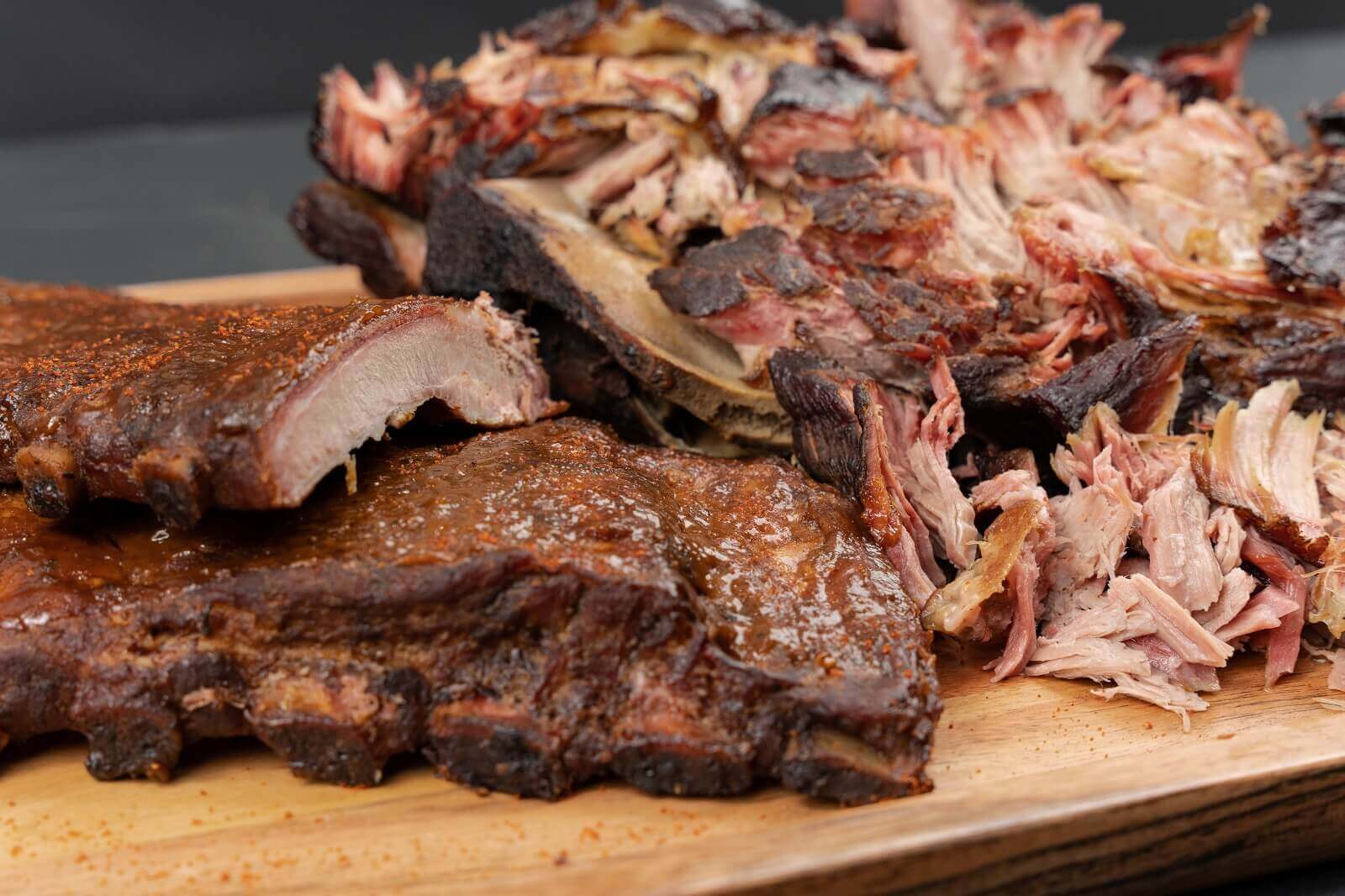
A Southern smoked-meat plate is built from contrasts: savory meat, tangy sauce, creamy or crisp sides, bread, pickles, and something sweet. Balance does not require stripping away the foods that give the meal its identity. It comes from choosing portions intentionally, adding variety, and deciding which elements matter most rather than automatically accepting the largest combination available.
Someone comparing ribs near me can plan beyond the featured protein by considering vegetables, grains, beverages, and meal timing. Barbecue is often served in generous portions, so sharing, saving leftovers, or ordering fewer sides can be practical. A balanced plate is personal and flexible, especially for people following medical nutrition advice, but a few general principles make the meal more satisfying without turning it into a calculation exercise.
Choose the Protein Portion With the Whole Meal in Mind
Ribs, pulled pork, chicken, turkey, and sausage differ in bone, skin, fat, and edible yield. A listed weight may not translate directly into the amount consumed. Start with hunger level and the number of sides, then choose one meat or a modest sampler. A combination plate can provide variety, but it does not require finishing every portion in one sitting.
The USDA Protein Foods guidance encourages variety across meat, poultry, seafood, eggs, beans, peas, lentils, nuts, seeds, and soy foods. It also notes that some protein choices are higher in saturated fat. Those principles can guide choices across the week. A rich pork meal at one sitting can be balanced by leaner or plant-based protein choices at other meals.
Visible fat contributes flavor and moisture, but diners can decide how much to eat. Poultry skin and sausage may add additional richness. Sauce also changes the profile through sugar and sodium. Ordering sauce on the side allows the smoked meat to be tasted first and gives each person control. The goal is not to label one cut good or bad, but to recognize how the components add up.
Use Side Dishes to Add Color and Contrast
Traditional sides can broaden the meal. Greens, green beans, slaw, tomatoes, corn, beans, and salads offer color, texture, and nutrients, though preparation methods vary. A vegetable cooked with meat seasoning or a creamy dressing is still a valid choice, but it may not serve the same role as a lightly dressed salad or plain vegetable. Variety is more useful than relying on a food’s name alone.
Pair one rich side with one fresher side. Macaroni and cheese beside vinegar slaw creates contrast, while baked beans beside a simple salad offers another combination. This approach preserves favorite comfort foods without making every element heavy. Pickles and onions add acidity and crunch in small amounts, helping refresh the palate between bites of smoky meat.
Beans deserve special attention because they can contribute fiber and plant protein along with sauce, sugar, or pork. Portion and recipe determine their role. Corn and potatoes are starchy vegetables, while bread, rolls, and crackers add more starch. Diners who want greater variety can choose one main starch instead of collecting every option simply because each is customary.
Manage Sauce, Sodium, and Sweetness Deliberately
Sauce can be central to regional style, but a small amount often provides enough acidity and sweetness to change a bite. Begin with less, then add more if needed. Pouring sauce over the entire plate makes it difficult to taste the bark and seasoning and can raise sugar and sodium quickly. Keeping varieties separate also helps diners compare flavor profiles.
Rub, brine, cured meats, pickles, bread, beans, cheese, and sauce can all contribute sodium. People who monitor sodium for health reasons should consult appropriate professional guidance and request current nutrition information when available. At the table, choosing unsauced meat, a simple side, water, and a smaller portion can reduce the combined load without demanding a special version of every dish.
Sweet tea, soda, dessert, sweet sauce, and candied sides can place several sources of added sugar in one meal. Select the ones that matter most. A diner might choose unsweetened tea to leave room for dessert, or skip dessert after enjoying a sweet sauce. Intentional tradeoffs feel less restrictive than treating the meal as an all-or-nothing decision.
Build the Plate in a Useful Order
Start with a moderate protein portion, add a vegetable-forward or crisp side, then include one comfort side or bread if desired. Leave some open space rather than stacking food. This visual pause makes portion decisions easier and keeps sauces from running into every item. Additional food remains available if hunger continues after the first serving.
At a counter-service restaurant, review the menu before reaching the register. Decide whether the priority is ribs, a sandwich, several sides, or dessert. Packages can be economical for groups, but assigning portions and containers before eating prevents food from becoming an unplanned challenge. At a buffet, use a smaller first plate and sample intentionally instead of taking full servings of unfamiliar dishes.
Children and older adults may need different portions and textures. Bone-in meats require attention, and spicy bark or dense bread may not suit every diner. Offer small servings first and allow requests for more. Families can share sides so each person samples variety without receiving a full individual portion of everything. The same method can reduce waste while preserving choice.
Slow the Meal Down Enough to Notice Satisfaction
Smoked meat rewards slower eating because bark, interior, sauce, and sides change from bite to bite. Pause to notice aroma and texture before adding condiments. Eating at a moderate pace gives appetite signals time to develop and makes a smaller portion feel more complete. Conversation naturally creates breaks, which can be helpful during a rich meal.
Drink water throughout the meal, particularly in warm weather or when foods are salty. Alcoholic and sweet beverages can add energy without creating the same fullness as food. People who drink alcohol should consider transportation, medication interactions, and personal limits. Water, unsweetened tea, or another low-sugar option keeps the focus on the plate and supports comfort afterward.
Stop when comfortably satisfied and package the remainder promptly. A leftovers box is not evidence that the order was a mistake; it can be part of the plan. Smoked meat often reheats well when stored correctly. Dividing a large restaurant portion into two meals can improve value and enjoyment while avoiding the pressure to finish simply because the food is present.
Adapt the Framework to Individual Needs
There is no universal plate for every body or occasion. Athletes, children, older adults, pregnant people, and individuals managing diabetes, kidney disease, food allergies, or other conditions may have different requirements. General nutrition information cannot replace personalized advice from a qualified health professional. The practical framework is to gather information, choose portions consciously, and preserve flexibility.
Frequency matters. A celebratory bbq meal does not need to resemble an ordinary weekday lunch, and one plate does not determine an overall eating pattern. Looking across days and weeks allows room for traditional foods alongside fruits, vegetables, whole grains, varied proteins, and appropriate beverages. This broader view reduces moral language around individual dishes and supports realistic decisions.
A useful restaurant strategy is to identify the must-have item, then build support around it. If ribs are the priority, choose sides that add freshness and skip a second rich meat. If macaroni and cheese is the favorite, select a leaner protein and slaw. If dessert is special, choose water instead of a sweet drink. Balance works through combinations, not prohibition.
Conclusion
The framework also supports value and reduces waste. Sharing a sampler, splitting large sides, and packaging a planned second portion can make a generous order serve more than one meal. The food intended for later should be separated early and refrigerated promptly rather than remaining on the table. Cost, enjoyment, nutrition, and safety do not need to compete when portions are chosen before hunger and menu variety encourage an oversized order. A little planning makes that balance easier to maintain consistently.
Balance is most sustainable when it remains flexible. A celebratory plate can emphasize a favorite rich dish, while meals across the rest of the week provide vegetables, fruits, whole grains, and varied protein sources. People managing health conditions should follow individualized professional guidance rather than a generic plate formula. For everyone else, identifying one priority item and building contrasting, moderate accompaniments around it is a practical way to enjoy tradition without turning the meal into a test of restraint. Water and a slower eating pace can further support comfort, especially when the plate includes salty or rich foods. A deliberate meal can remain generous without becoming excessive.
A balanced smoked-meat plate combines an intentional protein portion with varied sides, controlled sauce, a suitable beverage, and enough time to recognize satisfaction. The approach can include traditional comfort foods while avoiding the expectation that every available item must appear in full size. For diners planning a meal in Decatur, LawLers can be referenced as a local option where these portion and pairing strategies can be applied.
