


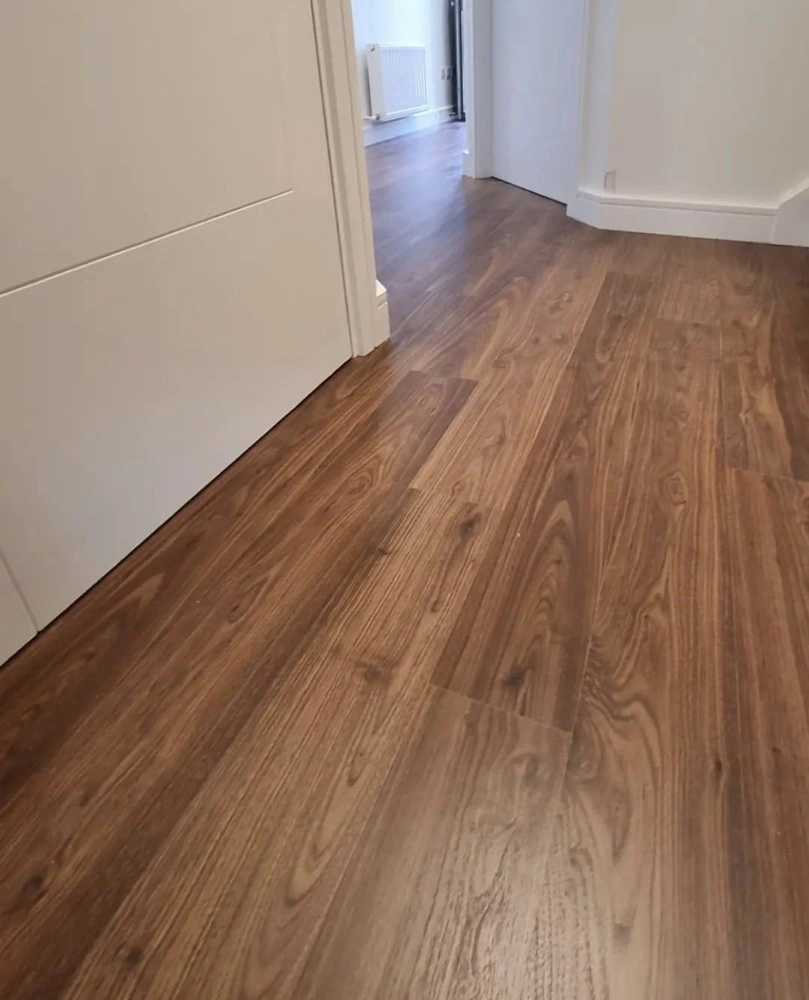
Floors take more abuse than almost any surface in a home or business, absorbing foot traffic, spills, temperature swings, and the occasional dropped cast-iron skillet without complaint, at least for a while. Eventually, though, problems surface, and how you respond to them often determines whether you’re facing a simple fix or a full replacement down the road. The good news is that most flooring issues follow recognizable patterns, and once you understand what’s actually causing them, the right solution usually becomes clear. Here’s a straightforward look at the problems I see most often and how to genuinely address each one.
Squeaky Floors That Announce Every Step
There are few things more quietly maddening than a floor that squeaks with every step, especially when you’re trying to sneak to the kitchen at midnight. Squeaks almost always come from movement, either boards rubbing against each other or against the fasteners holding them down, usually because those fasteners have loosened over time or the subfloor has shifted. The fix depends on access and cause. Sometimes it’s as simple as securing loose boards to the subfloor, while persistent squeaks may point to subfloor issues that need proper attention from below. Chasing the noise to its actual source, rather than just tightening whatever’s nearby, is what separates a real repair from a temporary one.
Cupping, Crowning, and Other Moisture Mischief
When wood floors start to warp, moisture is nearly always the culprit. Cupping, where the edges of boards rise higher than their centers, signals excess moisture beneath the floor, while crowning, the opposite effect, often follows when a cupped floor is sanded too soon. These aren’t cosmetic problems to ignore, since they point to an underlying moisture issue that will keep causing trouble until it’s resolved. The solution starts with finding and fixing the moisture source, whether that’s a plumbing leak, poor subfloor ventilation, or high humidity, before any repair to the flooring itself. Refinishing a warped floor without addressing the water problem first is just scheduling the same repair again later.
Gaps Between Boards
Noticing gaps opening up between your floorboards can be alarming, but some seasonal movement is entirely normal, since wood naturally expands in humid months and contracts in dry ones. Small gaps that appear in winter and close up in summer are usually nothing to worry about. Persistent or widening gaps, however, can indicate excessive dryness, improper acclimation during the original installation, or a subfloor problem. The right response depends on the cause, ranging from stabilizing your home’s humidity to filling gaps professionally, or in more serious cases, addressing installation errors that never gave the wood a fair chance to begin with.
Scratches, Scuffs, and Everyday Wear
Even the toughest floors accumulate scratches and dulling over the years, particularly in high-traffic zones and homes with pets or active kids. The best solution scales to the severity. Minor surface scratches often respond well to spot treatment or a refresh of the finish, while more serious damage across a hardwood floor may call for sanding and refinishing to restore the surface completely. For floors that can’t be refinished, like many laminates and some engineered products, replacing affected planks is the practical route. Preventive measures like felt pads and entry mats sound almost too simple, but they genuinely spare your floors a surprising amount of wear.
Loose, Lifting, or Peeling Tiles and Planks
When tiles crack or planks begin lifting at the edges, the problem usually traces back to what’s underneath rather than the flooring itself. Poor adhesion, an improperly prepared subfloor, or moisture intrusion are the common causes, and simply re-sticking the loose piece rarely solves anything for long. Lasting repair means diagnosing why the failure happened, correcting the subfloor or moisture issue, and then reinstalling properly. This is one area where a professional assessment really pays off, since surface-level fixes on a foundation problem are a reliable recipe for repeating the same headache in a few months.
When to Call in a Professional
Some flooring problems are genuinely DIY-friendly, but many hide a root cause that’s easy to misdiagnose and expensive to get wrong. Recurring squeaks, moisture-related warping, and failing installations all tend to have underlying issues that require experienced eyes to identify correctly. A professional can pinpoint the actual source rather than treating symptoms, which saves money over the long run. If you’d like to know whether we work in your area, take a look at the My Flooring Expert Service Areas page, and you can also find us on the map right here to check our location and reviews.
Most flooring problems come down to a handful of recognizable causes: moisture, movement, wear, and installation issues, each with a proper solution that addresses the source rather than just the symptom. Catching these problems early and responding correctly protects both your floors and your budget. If your floors are showing signs of trouble and you want an honest diagnosis rather than guesswork, reach out to discuss your situation and get expert guidance on the best path forward.
