


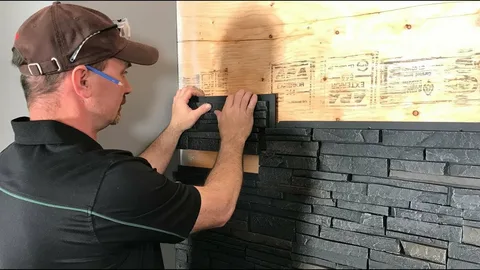
Cladding tools and accessories are essential for achieving a high-quality, durable, and hygienic wall cladding installation. While the panels themselves form the main surface, it is the supporting tools and components that ensure the system is fitted correctly, securely, and to a professional standard.
From cutting and fixing to sealing and finishing, having the right tools and accessories can significantly improve installation efficiency and the final result. Whether working on commercial kitchens, healthcare environments, or general construction projects, these components play a vital role in delivering a complete cladding system.
What Are Cladding Tools & Accessories?
Cladding tools and accessories refer to the range of equipment and supporting products used during the installation of wall and ceiling cladding systems. This includes everything from cutting tools and adhesives to trims, sealants, and finishing components.
Tools are used to measure, cut, and fix panels accurately, while accessories help complete the installation by sealing joints, protecting edges, and ensuring a neat and hygienic finish.
Together, they form an integrated system that supports both the performance and appearance of the cladding.
Essential Tools for Cladding Installation
Accurate cutting is a key part of any cladding installation, making tools such as circular saws, jigsaws, and fine-tooth hand saws essential. These allow panels to be cut cleanly to size, ensuring a precise fit.
Measuring and marking tools, including tape measures, straight edges, and pencils, are equally important for ensuring accuracy during installation. Proper measurements help reduce waste and improve overall efficiency.
Fixing tools, such as sealant guns and trowels, are used to apply adhesives evenly and securely. These tools ensure that panels are bonded correctly to the substrate.
For more advanced installations, such as welded joints, specialist equipment like hot air welding tools may also be required.
Key Accessories in Cladding Systems
Accessories play a crucial role in completing a cladding installation. Adhesives are used to bond panels to walls, providing a strong and secure fix. Sealants, such as silicones, are used to seal joints and edges, creating a watertight and hygienic finish.
Trims and profiles are another important accessory. These components are used to join panels, cover edges, and create smooth transitions between surfaces. They help ensure the system is both functional and visually consistent.
Other accessories may include fixings, cleaning products, and protective materials, all of which contribute to the overall installation process.
Benefits of Using the Right Tools and Accessories
Using the correct cladding tools and accessories offers several advantages. One of the most important is improved installation quality. The right tools allow for precise cutting and fitting, resulting in a cleaner and more professional finish.
Efficiency is another key benefit. Proper tools can reduce installation time and effort, making the process faster and more cost-effective.
Durability is also enhanced when the correct accessories are used. High-quality adhesives, sealants, and trims ensure that the cladding system performs effectively over time.
In addition, using the right components helps maintain hygiene standards by ensuring all joints and edges are properly sealed and easy to clean.
Applications Across Different Projects
Cladding tools and accessories are used across a wide range of projects, from small domestic installations to large-scale commercial and industrial developments.
In commercial kitchens and food preparation areas, they help create hygienic surfaces that meet strict cleanliness standards. In healthcare environments, they support infection control by ensuring installations are fully sealed and easy to maintain.
Industrial and warehouse settings rely on these tools and accessories to deliver durable wall protection, while residential projects benefit from improved efficiency and finish quality.
Installation Best Practices
To achieve the best results, it is important to use the appropriate tools and accessories for each stage of the installation. Proper preparation, including accurate measuring and surface cleaning, is essential.
Adhesives should be applied according to manufacturer guidelines, and panels should be positioned carefully to ensure alignment. Trims and sealants should be installed correctly to create a sealed and professional finish.
Following best practices not only improves the quality of the installation but also ensures long-term performance.
Maintenance and Ongoing Use
While most tools are used during installation, some accessories continue to play a role in maintenance. Cleaning products and replacement sealants, for example, help keep cladding systems in good condition over time.
Investing in high-quality tools and accessories can also provide long-term value, as they can be reused across multiple projects.
A Complete System for Successful Installations
Cladding tools and accessories are a fundamental part of any wall or ceiling cladding project. They support every stage of the installation process, from preparation and fitting to finishing and maintenance.
By using the right tools and components, installers can achieve a professional, durable, and hygienic result that meets the demands of modern environments. Whether for commercial, industrial, or residential use, these products ensure that cladding systems are installed efficiently and perform reliably over time.
