


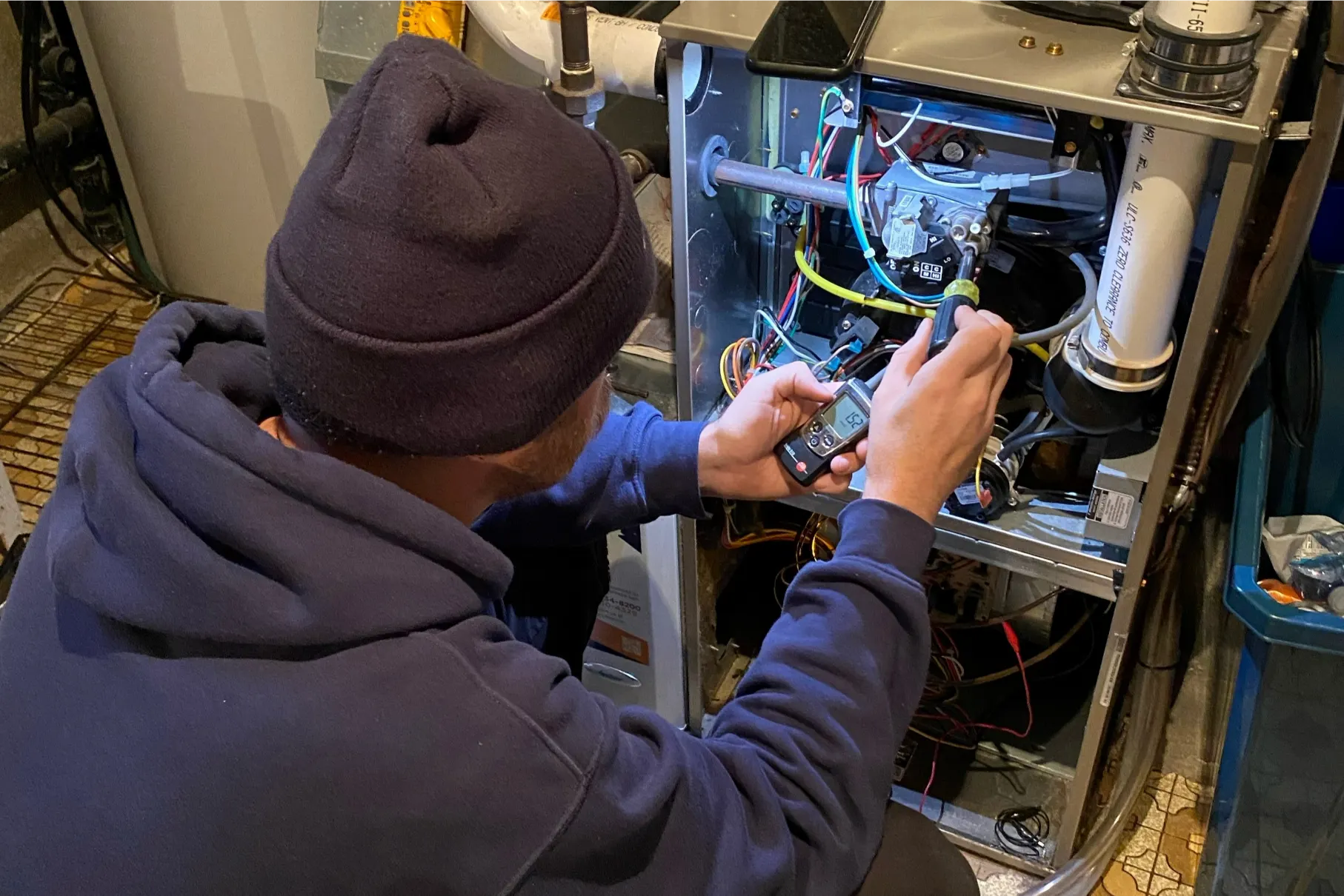
Buying your first home is exciting, but it also comes with a long list of systems you need to understand and maintain. Your furnace is one of the most important because it affects indoor comfort, energy use, and household safety. For first-time homeowners, knowing what a furnace does, recognizing early warning signs, and understanding when professional service is necessary can prevent small issues from becoming expensive emergencies.
In Orange County, heating systems may sit unused for long periods because of the region’s generally mild climate. That makes preseason inspection and maintenance especially useful before the furnace is needed regularly.
Understanding Your Home’s Furnace
A furnace heats air and distributes it through the home, usually through a network of ducts and registers. Depending on the property, the heating system may use natural gas, electricity, or another energy source.
Before attempting any repair, homeowners should identify the furnace model, fuel type, approximate age, and location of the main components. Keep the manufacturer’s documentation somewhere accessible, as it can provide important information about filters, maintenance intervals, warning codes, and replacement parts.
Common Furnace Problems First-Time Homeowners Should Know
Several problems appear frequently in residential heating systems. A furnace may fail to start, blow cool air, cycle on and off repeatedly, make unusual noises, or produce uneven temperatures throughout the house.
Restricted airflow is one common cause. A dirty filter can make the system work harder and may contribute to overheating or repeated shutdowns. Local guidance recommends checking furnace filters regularly during the heating season and replacing or cleaning them according to the manufacturer’s instructions.
Other potential problems include malfunctioning thermostats, ignition issues, worn blower components, electrical problems, blocked vents, and problems with combustion or exhaust systems.
Check the Simple Things First
Not every furnace problem requires an immediate repair visit. Homeowners can safely check a few basic items before contacting a technician.
Start with the thermostat. Confirm that it is set to heating mode and that the desired temperature is higher than the current room temperature. If the thermostat uses batteries, check whether they need replacement.
Next, inspect the furnace filter. If it is visibly dirty or clogged, replace it with the correct size and type recommended for the system. Also check that supply registers and return-air grilles are not blocked by furniture, rugs, boxes, or other objects.
These simple checks can sometimes resolve airflow or thermostat-related problems without any complicated intervention.
Know When DIY Stops Being Safe
First-time homeowners should avoid opening combustion components, adjusting gas pressure, modifying flue systems, repairing electrical components, or attempting to repair a heat exchanger.
Gas furnaces involve combustion, gas connections, electrical components, and exhaust gases. Professional inspection is particularly important when the problem involves these areas. The American Heating and Refrigeration Institute recommends annual professional inspection and emphasizes keeping the furnace area clear, maintaining filters, and ensuring the furnace’s front panel is properly installed.
A useful rule is simple: homeowners can handle basic maintenance, but trained professionals should handle combustion, gas, electrical, and major mechanical repairs.
Warning Signs That Require Professional Attention
Some symptoms deserve more attention than others. Contact a qualified HVAC professional if the furnace repeatedly shuts down, refuses to ignite, produces unusual burning smells, makes persistent mechanical noises, or cannot maintain the home’s temperature.
A yellow or unusually large and unsteady flame on a gas furnace is also a warning sign that should be professionally inspected. The City of Irvine specifically advises homeowners to have such conditions checked by a qualified professional.
If your furnace is displaying an error code, write down the code before contacting the technician. That information can make diagnosis easier.
Carbon Monoxide Safety Matters
Carbon monoxide is one of the most important safety concerns associated with fuel-burning furnaces. It is colorless and odorless, so homeowners cannot reliably detect it using their senses.
Install carbon monoxide alarms according to applicable safety guidance, particularly outside sleeping areas and on each level of the home. The Orange County Fire Authority recommends CO alarms outside each sleeping area and on every level of a home.
If a carbon monoxide alarm sounds or you suspect CO exposure, leave the building and seek emergency assistance rather than attempting to diagnose the furnace yourself.
Why Annual Furnace Maintenance Is Important
A furnace that appears to work normally can still have developing problems. Professional maintenance can involve inspecting safety controls, combustion components, airflow, electrical connections, burners, venting, and other important parts.
The American Heating and Refrigeration Institute recommends having gas furnaces cleaned and checked annually, preferably before the heating season begins.
For a first-time homeowner, annual maintenance also creates a useful record of the furnace’s condition. A technician can identify aging components and explain which repairs are urgent and which can potentially be planned for later.
How to Choose a Furnace Repair Professional
When you need furnace repair Orange County homeowners should look for a qualified HVAC professional rather than choosing solely on the lowest advertised price.
Ask whether the company is appropriately licensed and insured, whether the technician has experience with your furnace type, what diagnostic work is included, and whether you will receive a written explanation of recommended repairs.
Before approving expensive work, ask the technician to explain:
- What caused the problem
- Which component has failed
- Whether the repair is necessary immediately
- What parts and labor are included
- Whether the repair comes with a warranty
- Whether additional problems were found during diagnosis
A clear explanation can help you make a more informed maintenance decision.
Repair or Replace: What Should a New Homeowner Consider?
Repairing an existing furnace may make sense when the system is relatively young and the problem involves a replaceable component. Replacement may become a consideration when a furnace is older, experiences repeated failures, has major component damage, or no longer provides reliable heating.
However, age alone should not determine the decision. Consider the furnace’s overall condition, repair history, operating performance, efficiency, availability of replacement parts, and the expected cost of continued repairs.
Ask for a diagnosis before making a major replacement decision, and compare the long-term implications rather than focusing only on the immediate repair price.
Prepare Your Furnace Before the Heating Season
Because Orange County homes may use heating equipment intermittently, don’t wait for the first particularly cold night to discover that the furnace has a problem.
Before the heating season:
- Check or replace the air filter.
- Test the thermostat.
- Make sure registers and return vents are unobstructed.
- Clear clutter from around the furnace.
- Check that CO alarms are functioning.
- Schedule professional maintenance when appropriate.
- Pay attention to unusual sounds, odors, or operating behavior.
Preparing early gives you time to arrange repairs without the pressure of an unexpected heating failure.
Keep a Furnace Maintenance Record
First-time homeowners should create a simple maintenance record for the heating system. Record the furnace’s model and serial numbers, installation date if known, filter size, maintenance dates, repairs, replacement parts, and technician recommendations.
This information becomes particularly valuable when the home changes owners or when you need to decide whether repairing an aging furnace remains practical.
Final Thoughts for First-Time Homeowners
Learning how your furnace works does not mean becoming an HVAC technician. The goal is to recognize normal operation, perform basic homeowner maintenance, identify warning signs, and know when professional assistance is appropriate.
Regular filter checks, unobstructed airflow, functional carbon monoxide alarms, and professional inspections can all contribute to safer and more dependable heating. Most importantly, never attempt potentially dangerous gas, combustion, electrical, or venting repairs yourself. When a significant problem develops, qualified professional diagnosis is the safest path toward getting your home comfortable again.
