


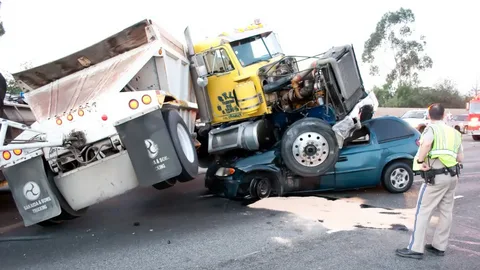
Truck accidents are rarely simple. In East Texas, they can be even more complex due to geography, industry traffic, and the legal framework surrounding commercial vehicles. While many people think of truck crashes as just larger car accidents, the legal and investigative process behind them is significantly more involved.
For those trying to better understand how these cases work under Texas law, speaking with an experienced East Texas Truck Accident Attorney can provide insight into what makes these claims distinct.
East Texas Roads: A Unique Risk Environment
East Texas roadways include a mix of:
- Rural farm-to-market roads
- Long highway corridors
- Expanding suburban traffic zones
- Interstate routes connecting major freight hubs
Unlike congested metro areas where traffic slows vehicles down, many East Texas crashes happen at highway speeds. Rural conditions can also introduce additional risk factors such as:
- Limited lighting at night
- Narrow shoulders
- Sharp curves
- Slower emergency response times
When high speeds combine with an 18-wheeler weighing up to 80,000 pounds, the consequences can be severe.
Heavy Industry Means Heavy Truck Traffic
East Texas plays a major role in several industries that depend heavily on commercial transportation, including:
- Oil and gas
- Agriculture
- Timber and logging
- Regional distribution
This means local drivers frequently share the road with:
- Tanker trucks
- Flatbeds hauling equipment
- Logging trucks
- Oversized loads
Each type of commercial vehicle presents different safety risks. Liquid cargo can shift, improperly secured loads can move, and overloaded trailers can increase stopping distance. These factors can significantly influence how an accident occurs — and how liability is analyzed afterward.
Liability Is Often More Complicated Than It Appears
In a standard car accident, responsibility usually involves one or two drivers. Truck accident cases are often more layered.
Potentially responsible parties may include:
- The truck driver
- The trucking company
- A freight broker
- A third-party maintenance provider
- A cargo loading company
- A manufacturer of defective parts
Texas follows a modified comparative fault rule, meaning responsibility can be divided among multiple parties. Determining fault percentages becomes especially important when significant damages are involved.
Federal Regulations Play a Major Role
Commercial trucking is governed by strict federal regulations through the Federal Motor Carrier Safety Administration (FMCSA).
These rules cover:
- Hours-of-service limits
- Mandatory rest breaks
- Drug and alcohol testing
- Inspection and maintenance standards
- Electronic logging requirements
After a crash, records such as electronic driving logs, black box data, maintenance reports, and company communications can become key evidence. These records may only be stored for limited periods, making early investigation important.
Insurance Defense Strategies Are Often Aggressive
Because commercial trucks carry higher insurance coverage limits than personal vehicles, insurers often approach these claims strategically.
Insurance carriers may:
- Launch immediate investigations
- Request recorded statements
- Attempt early settlement offers
- Dispute the severity of injuries
The financial exposure in truck accident cases can be substantial, which often leads to more complex negotiations than in standard auto claims.
The Long-Term Impact Can Be Life-Changing
Truck accidents frequently result in serious injuries such as:
- Traumatic brain injuries
- Spinal cord damage
- Amputations
- Multiple fractures
- Internal injuries
Beyond medical bills, victims may face:
- Long-term rehabilitation
- Lost income
- Reduced earning capacity
- Emotional trauma
In wrongful death cases, families may experience both emotional loss and significant financial hardship.
Time Limits Under Texas Law
Texas law generally allows two years from the date of an accident to file a personal injury lawsuit. While that may seem like sufficient time, truck accident investigations often require:
- Reviewing corporate safety records
- Analyzing electronic data
- Consulting accident reconstruction experts
- Evaluating long-term medical projections
Acting promptly helps preserve evidence and ensures compliance with legal deadlines.
Final Thoughts
Truck accidents in East Texas present a unique combination of high-speed highways, industrial freight traffic, and complex regulatory oversight. These cases often involve more than just determining who ran a red light or failed to yield.
Understanding the layers of liability, federal compliance issues, insurance dynamics, and regional factors can make the legal process easier to navigate. For anyone affected by a serious truck crash, being informed about how these cases work is an important first step toward protecting their rights and future.
