


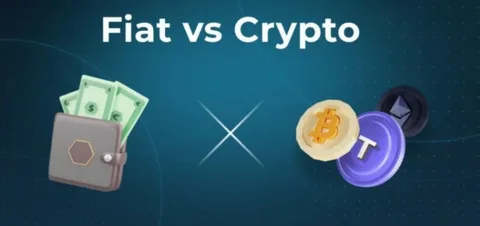
As digital assets become more integrated into everyday financial activity, the bridge between traditional money and blockchain-based assets has gained critical importance. Fiat-to-crypto gateways are no longer niche tools for early adopters; they are becoming essential infrastructure for individuals and businesses entering the digital asset ecosystem.
Understanding how these gateways work helps explain their expanding role in global finance.
What Is a Fiat-to-Crypto Gateway?
A fiat-to-crypto gateway enables users to exchange government-issued currencies such as USD, EUR, or GBP for cryptocurrencies. Instead of requiring users to already own digital assets, these systems allow direct access to crypto using familiar payment methods like bank transfers or cards.
This functionality significantly lowers the barrier to entry, especially for users who are new to blockchain technology.
Why Direct Conversion Matters
Without direct conversion tools, users often need to rely on multiple platforms to move funds from fiat into crypto. This multi-step process can introduce delays, higher fees, and additional risk.
Direct fiat-to-crypto conversion streamlines the journey by:
- Reducing the number of intermediaries
- Minimizing transaction friction
- Improving clarity around exchange rates
- Accelerating access to digital assets
These efficiencies are particularly valuable in time-sensitive situations or volatile market conditions.
The Importance of Compliance and Transparency
Fiat-to-crypto processing sits at the intersection of traditional finance and decentralized networks. As a result, regulatory compliance plays a central role in how these systems operate.
Identity verification, transaction monitoring, and regional restrictions are common components designed to align crypto access with financial regulations. Transparency around fees and conversion rates helps build trust and supports responsible adoption.
Payment Methods and User Experience
Modern fiat-to-crypto processors aim to match the convenience of traditional payment platforms. By supporting commonly used payment methods, they make the transition into crypto more intuitive for a broader audience.
A well-designed interface focuses on clarity: users see how much fiat they are spending, how much crypto they will receive, and any applicable fees before confirming a transaction.
Expanding Use Cases Beyond Trading
While trading remains a popular use case, fiat-to-crypto gateways support a wide range of activities. Users may convert fiat to crypto for online purchases, cross-border transfers, participation in blockchain networks, or long-term asset holding.
As adoption grows, these processors increasingly serve as access points to decentralized applications and digital services.
Infrastructure for a Hybrid Financial System
The financial landscape is evolving toward a hybrid model where fiat and crypto coexist. Fiat-to-crypto gateways function as connective tissue between these systems, allowing value to move more freely across financial environments.
Platforms providing fiat to crypto payment processor capabilities illustrate how traditional payment logic and blockchain technology can work together rather than in isolation.
Looking Ahead
As digital assets continue to mature, the importance of seamless entry points into the crypto ecosystem will only increase. Fiat-to-crypto processors play a foundational role in this transition, supporting accessibility, compliance, and usability.
Their continued development will shape how easily individuals and businesses can participate in the digital economy without abandoning familiar financial tools.
