


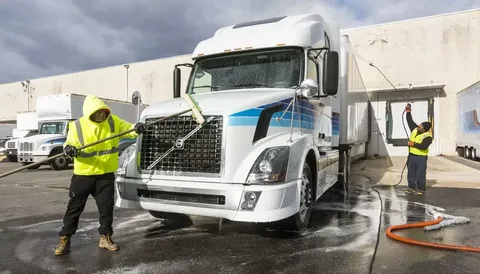
Fleet operations are built around precision—fuel costs are tracked per mile, maintenance intervals are scheduled down to the hour, and route efficiency is optimized through data. Yet one area that often escapes detailed financial analysis is vehicle washing.
At first glance, washing may seem like a routine operational expense. However, when examined closely, it has measurable implications for asset longevity, downtime, labor allocation, and brand value. Understanding the economics behind fleet washing reveals why infrastructure decisions matter more than many operators realize.
The Visible Costs: Labor and Water
The most obvious expenses associated with washing are labor and utilities. Manual washing requires:
- Dedicated staff hours
- Overtime during peak return times
- Supervision and quality control
- Variable water and detergent usage
As fleet size grows, manual processes become increasingly inefficient. Labor costs scale linearly, while inconsistencies often lead to rework or touch-ups.
Automated systems, by contrast, centralize these costs into infrastructure investment and predictable operating expenses. Water usage becomes more controlled, and wash cycle times remain consistent regardless of staffing fluctuations.
The Hidden Cost: Downtime
Every minute a vehicle is stationary affects revenue potential. If washing processes create congestion in the yard or require extended waiting periods, that delay multiplies across the fleet.
Consider:
- Long-haul tractors waiting for wash bays
- Delivery vehicles delayed during turnaround
- Municipal vehicles taken out of service longer than necessary
Efficient wash systems reduce cycle times and maintain steady throughput, which directly supports fleet uptime. When analyzing the financial impact of washing, downtime often outweighs water or detergent costs.
Corrosion and Long-Term Asset Value
Corrosion is a slow but expensive issue. Road salt, moisture, and environmental contaminants bond to metal surfaces, particularly in undercarriage areas.
Without consistent cleaning, corrosion can lead to:
- Premature part replacement
- Structural weakening
- Paint degradation
- Reduced resale value
Over the lifespan of a commercial vehicle, these factors significantly influence total cost of ownership. Preventive washing reduces exposure to damaging contaminants and helps preserve structural integrity.
Inspection and Maintenance Efficiency
Clean vehicles are easier to inspect.
When dirt and grime accumulate around axles, brake systems, and suspension components, technicians spend additional time cleaning before repairs or inspections can begin. That added preparation time increases labor costs and extends service downtime.
Integrating undercarriage and wheel washing into regular cleaning cycles helps streamline maintenance workflows. This is particularly relevant for fleets operating under strict compliance or safety regulations.
Throughput and Scalability
As fleets expand, washing capacity must keep pace. Systems that cannot handle increasing vehicle counts create operational bottlenecks.
When evaluating infrastructure, operators often consider how different configurations of Truck Wash Equipment affect:
- Vehicles washed per hour
- Average cycle duration
- Space utilization
- Expansion capability
Scalable systems protect against future capacity strain. Investing in adaptable infrastructure prevents the need for costly retrofits or facility redesigns as fleet size grows.
Brand Equity and Perception
Brand perception may not appear on balance sheets, but it has financial implications. Dirty vehicles displaying company branding can negatively influence public perception, client trust, and partnership opportunities.
For industries such as food distribution, public transportation, and retail logistics, vehicle appearance is closely tied to brand credibility.
Maintaining consistent cleanliness reinforces professionalism and operational discipline—qualities that contribute indirectly to revenue stability and business growth.
Environmental Compliance and Regulatory Risk
Water usage and chemical runoff are increasingly regulated. In some regions, improper discharge can result in fines or operational restrictions.
Modern wash systems often incorporate water recycling, controlled detergent dosing, and efficient pump technology to manage environmental impact.
Beyond sustainability, regulatory compliance protects fleets from penalties that could disrupt operations or increase operational costs.
Manual vs. Automated: A Cost Comparison Mindset
When comparing manual washing to automated systems, the decision should not focus solely on upfront investment. Instead, operators should evaluate:
- Labor cost trends over time
- Downtime reduction
- Water and chemical efficiency
- Maintenance preparation savings
- Long-term corrosion prevention
- Capacity for fleet growth
A structured cost-benefit analysis frequently reveals that washing infrastructure influences far more financial variables than initially assumed.
Viewing Washing as Operational Infrastructure
Fleet washing is not a peripheral activity—it is part of core operational infrastructure.
Just as fuel management systems and telematics platforms are evaluated for performance impact, washing systems deserve similar scrutiny. Their influence touches asset longevity, maintenance efficiency, compliance readiness, and brand strength.
In competitive transportation environments, small inefficiencies compound quickly. By analyzing washing as an economic variable rather than a routine task, fleet operators gain a clearer understanding of its strategic value.
Clean vehicles are not simply about appearance. They represent preventive maintenance, operational discipline, and cost control working together behind the scenes.
