


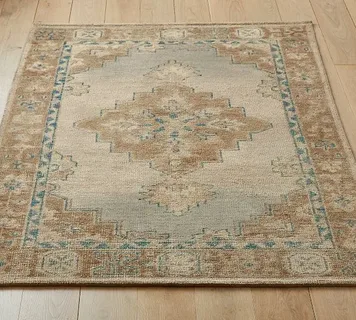
Combining the warmth of wooden flooring with the texture of a handknotted rug creates a rich, inviting atmosphere in any home. The natural grain of wood pairs beautifully with the intricate patterns of a quality rug. This guide will show you how to match these two elements to create a cohesive and stylish space, with inspiration from The Ambiente, a brand rooted in craftsmanship.
Understanding Handknotted Rugs
What sets a handknotted rug apart? Each one is a unique piece of art, meticulously crafted by skilled artisans who tie every single knot by hand. This process, which can take months to complete, results in durable and detailed premium carpets. Unlike machine-made alternatives, handknotted rugs are built to last for generations, often becoming treasured family heirlooms. Their value comes from the high-quality materials, like wool and silk, and the intensive labor involved in their creation. This dedication to craft is what gives them their distinct character and longevity.
Complementing Wooden Flooring
Wooden floors offer a classic foundation for any room. To select the right rug, consider the characteristics of your flooring and how a rug can enhance them.
Color Coordination
The color of your wooden floor is the starting point.
- Light Wood (e.g., Maple, Oak): Light-colored floors are versatile and pair well with a wide range of rug colors. You can create contrast with darker rugs in shades of navy, charcoal, or deep reds. Alternatively, a rug with a light base and colorful patterns can brighten the space without overwhelming it.
- Medium Wood (e.g., Cherry, Walnut): These woods have warm, reddish undertones. Rugs in earthy tones like greens, golds, and warm beige complement this warmth. Cool colors like blue can also provide a striking, balanced contrast.
- Dark Wood (e.g., Ebony, Mahogany): Dark floors make a bold statement. Lighter-colored rugs—think cream, light gray, or soft pastels—can brighten the room and prevent it from feeling too heavy. A rug with a dark base but vibrant, colorful patterns can also work well, creating a dramatic effect.
Pattern and Texture
Patterns add personality to a room. If your space is minimalist, a rug with a bold, geometric design can serve as a focal point. In a room with more decorative elements, a rug with a subtle, intricate pattern might be more suitable. Texture is equally important. A high-pile wool rug adds softness and warmth, which is a pleasant contrast to the hard surface of the wood. A flat-weave silk rug offers a smoother, more refined feel.
Room-by-Room Rug Placement
Proper rug placement defines spaces and anchors furniture. Here’s a guide for different areas of your home.
Living Room
The living room rug should be large enough to unify the main seating area. A common rule is to have at least the front legs of your sofa and chairs on the rug. For a more expansive feel, choose a larger rug that allows all furniture to sit completely on it. This creates a well-defined and inviting conversation zone.
Bedroom
In the bedroom, the rug should provide a soft landing for your feet. You can place a large rug underneath the entire bed, extending at least 18-24 inches on each side. Another option is to use smaller runner rugs on either side of the bed. If you have a seating area, a separate, smaller rug can define that space.
Dining Area
The dining room rug needs to be practical. It should be large enough so that when chairs are pulled out from the table, they still remain on the rug. This prevents chair legs from catching on the edge. Choose a low-pile or flat-weave rug for this area, as they are easier to clean and allow chairs to move smoothly.
Hallways and Entryways
Hallways benefit from runner rugs, which guide the eye and add interest to a narrow space. An entryway rug sets the tone for your home and should be durable enough to handle foot traffic. When you buy rugs for these high-traffic areas, consider materials that are both resilient and easy to maintain.
Styling Your Space
Think about the overall feel you want to achieve. For a contemporary look, you might pair a light oak floor with a geometric-patterned rug in neutral tones. For a more classic style, a dark walnut floor could be matched with a richly colored Persian-style rug. Don’t be afraid to layer. Placing a smaller, more decorative rug over a larger, neutral one can add depth and personality.
Finding Your Perfect Rug
The right rug can completely transform a room. When you begin your search, look for pieces that speak to your personal style while complementing your existing decor. Brands like The Ambiente, with a deep heritage in rug making, offer a range of styles that blend modern design with time-honored techniques. Choosing a handknotted rug means investing in a piece of craftsmanship that brings a story and a soul into your home.
Consider the origin and making process of your rug. Supporting brands that work with local artisans and use sustainable practices adds another layer of value to your purchase. The right premium carpet not only looks good but also feels good to own.
