


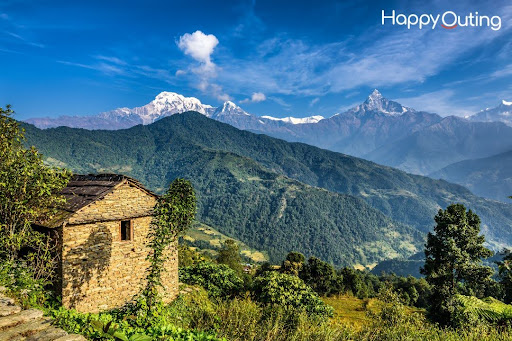
A spiritual trip to Muktinath in Nepal is not only about devotion—it’s also about planning smartly. Located at a high altitude of 3,800 meters in the Mustang district, the Muktinath Temple started deep religious belief among Hindus and Buddhists. For all their popularity as a pilgrim destination, unexpected costs can surprise even the most experienced traveler. From transportation and accommodation to permits and local expenses, it is crucial to know how to avoid these hidden charges for a budget trip.
This article aims to give actionable insights into spotting and preventing surprise costs during the Muktinath journey to ensure a smooth and economically viable pilgrimage.
1. Select Transparent Travel Packages
One of the easiest ways to avoid hidden costs is to look for offers in which everything is spelled out. Some “Nepal tour packages” advertise a low base price and then tack on extra charges for things like meals, local transfers, or even temple visits after the fact.
The following questions should be asked before booking:
- Is hotel accommodation included?
- Are permits for entry included, and local transport also?
- Is pickup from the airport/railway station part of the deal?
Compare different offers back-to-back and then proceed with those agencies that practice transparent communication and offer fine detail in their itinerary.
2. Ask About Permits and Entry Fees
Traveling to Muktinath involves passing through restricted zones, which means you’ll need specific travel permits:
- TIMS Card (Trekkers’ Information Management System)
- Annapurna Conservation Area Permit (ACAP)
Occasionally, travelers find out only upon arrival that these permits are mandatory and not included in the package. Always verify in advance if the price your travel provider quotes includes these permits.
If you are intending to avail a Muktinath tour package from Gorakhpur, ask for a clearly set-out list of documents included and ensure that all permits required are taken care of beforehand.
3. Beware of Overpriced Transport Options
Local transport can be another one of those hidden drains on your budget. Generally speaking, packages promise “transport included,” that is, transport only majorly connecting from Gorakhpur to Pokhara or Jomsom; actual transport from there onward to Muktinath, however, requires different costs for jeep(s) or combine(s) of flight(s).
Another unforeseen expense may come if weather disruption in the mountain region forces you to hire helicopter transport at outrageous rates. Never be caught off guard!
- Make backup plans.
- Find out from your agent or operator what alternative options there are and what they cost.
- Ask about shared transport for any last-mile leg.
4. Budget for Meals Excluded From the Itinerary
Most Nepal travel packages exclude meals from their charges to keep the package price low. Meals in tourist hubs, be it Pokhara or Jomsom, can be pricey, especially when one is limited to specific options on account of timing or placement.
Ask your provider:
- How many meals are included in a day?
- Are these meals served in hotels or at local restaurants?
- Are vegetarian or other dietary options available?
Even when meals are included, usually drinks and supplementary snacks aren’t. Plan for expenses on bottled water, tea, and light snacks on the go.
5. Look Out for Currency Exchange Charges
Foreign exchange rates and service fees quietly diminish your travel expense fund. Many tourists exchange currency at airports or in small towns, where the rates are low, plus additional fees for conversion are added.
To avoid this:
- Change currency at major city banks or ATMs in Kathmandu or Pokhara.
- Avoid money exchange at hotels or travel desks unless necessary.
- Carry some Nepali Rupees in small denominations for local purchases and tipping.
- If the currency exchange is part of your Muktinath tour package from Gorakhpur, confirm whether exchange is actually offered at reasonable rates or just as a convenience with marked-up prices.
6. Internet, SIM Cards, and Mobile Service
In Mustang and Western Nepal, mobile network services are almost either nonexistent or at least intermittent, and similarly with Wi-Fi services, if at all present, they will surely not be free.
How to avoid unexpected bills:
- Get a local SIM card with a prepaid data plan in Kathmandu or Pokhara.
- Unless it’s complimentary, check if your hotel provides Wi-Fi.
- Prior to arriving in areas with poor signal, download offline maps and translation apps.
These few measures will keep you from last-minute purchases of fancy data packages and overcharges for Wi-Fi.
7. Hidden Taxes and Service Charges at Hotels
The cost of accommodation can have the following hidden additions:
- Service Charges (10%)
- Government Taxes (13%)
Such hidden charges are not usually mentioned by budget or mid-range hotels in their price listings. Always pose these questions:
- “Is this the final price with taxes included?”
- “Are there any charges to be added later on, during check-in or check-out?”
Such queries, if met with straightforward responses, will save one from many last-minute surprises, not to mention embarrassment. Better yet, use reputable booking platforms and verified tour operators.
8. Avoid Souvenirs and Shopping at Premium Rates
Local markets selling souvenirs, holy items, and prayer accessories adorn many spiritual destinations. Although these can serve as nice keepsakes, sellers in heavy tourist areas often charge exorbitant prices to unsuspecting pilgrims.
Tips to avoid shopping traps:
- Compare prices from different stalls.
- Purchase only necessities in sacred items.
- Establish a daily shopping budget and stick to it.
9. Emergency Medical Expenses
Altitude sickness and fatigue are legitimate concerns at high altitudes, with costs for unexpected medication, clinic visits, or emergency transport surging high. While they do not occur very often, if you are unprepared, such expenses can quickly pile up.
Ways to protect yourself:
- Carry a basic med kit including altitude medicine, band-aids, and painkillers.
- Consider travel insurance that covers medical evacuation.
- Check if your tour operator offers first-aid assistance.
- Even after choosing top-end Nepal tour packages, however, it would be wise to keep aside some money as emergency funds.
Conclusion
Very sacred and enriching journey it is to Muktinath, but missing out on several minute details, one can find it to be an economically stressful experience. With this, transparent services, asking the right questions, and being prepared against unforeseen situations will shield your pilgrimage from any hidden costs.
If you’re preparing your own itinerary or have already booked a Muktinath tour package from Gorakhpur, the best way is to have a clear idea while planning, carry a backup plan, and stay in the know. That way, you are focused on some real spirituality, not on pocket pinchings.
