


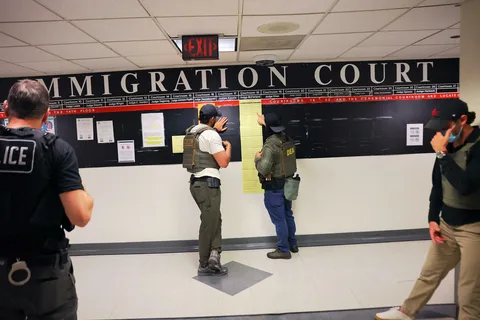
Many people assume that immigration violations are treated the same as criminal offenses, but in most situations, immigration law operates within the civil legal system. Understanding the difference between civil immigration violations and criminal offenses can help clarify how immigration cases are handled and why immigration courts follow procedures that differ from criminal courts.
Although the two systems sometimes intersect, they serve different legal purposes and follow distinct processes.
Immigration Law as a Civil Matter
Immigration law is generally considered part of the civil legal system rather than the criminal justice system. Civil law focuses on resolving disputes or enforcing regulations rather than punishing criminal behavior.
When someone violates immigration rules—such as overstaying a visa or entering the country without proper authorization—the government may begin removal proceedings. These proceedings determine whether the individual may remain in the United States or must leave the country.
Because removal proceedings are civil in nature, they are handled by immigration courts rather than traditional criminal courts.
Situations That May Involve Criminal Charges
While immigration violations themselves are usually civil matters, certain actions related to immigration may also involve criminal charges. These cases are handled in federal criminal courts.
Examples of situations that may lead to criminal charges include:
- Immigration document fraud
- Human smuggling or trafficking
- Re-entry into the United States after a prior removal in certain circumstances
- Providing false information in official immigration applications
When criminal charges are involved, the case may proceed through the criminal justice system before any immigration proceedings occur.
Differences in Court Procedures
Because immigration law is primarily civil, the procedures in immigration court differ from those in criminal court. Immigration judges oversee hearings where the government and the individual involved present evidence related to immigration status.
Some key differences include:
- Immigration judges operate within the Department of Justice rather than the traditional judiciary.
- The purpose of the hearing is to determine immigration status rather than impose criminal penalties.
- Legal outcomes typically involve immigration relief or removal rather than incarceration.
These distinctions highlight how immigration courts focus on regulatory compliance rather than criminal punishment.
The Concept of “Crimmigration”
Legal scholars often use the term “crimmigration” to describe situations where immigration law and criminal law intersect. In these cases, a criminal conviction may influence a person’s immigration status.
For example, certain criminal offenses can affect eligibility for immigration relief or may trigger removal proceedings under immigration law.
Because these cases involve both criminal and immigration legal issues, they often require careful examination of how different laws apply.
Immigration Detention and Legal Oversight
In some immigration cases, individuals may be held in detention while legal proceedings continue. Although immigration detention is part of a civil process, it still involves restrictions on personal liberty.
When detention lasts for extended periods, federal courts may review whether the government’s authority to continue holding someone in custody remains lawful. Legal professionals who address detention-related issues—such as a Habeas Corpus Lawyer may request that a court examine whether the detention complies with federal statutes and constitutional protections.
This type of review focuses specifically on the legality of detention rather than the civil immigration charges themselves.
Why the Distinction Matters
Understanding the difference between civil immigration violations and criminal offenses helps explain why immigration cases follow unique legal procedures. Although immigration law may intersect with criminal law in certain situations, most immigration matters are resolved through administrative courts and civil legal processes.
Recognizing this distinction provides clearer insight into how immigration enforcement works within the broader legal system.
Conclusion
Immigration law primarily functions as a civil system designed to regulate who may enter or remain in the United States. While certain actions related to immigration may involve criminal charges, most immigration violations are handled through administrative court proceedings.
By distinguishing between civil and criminal violations, the legal system maintains separate procedures for enforcing immigration rules while addressing criminal conduct when necessary.
