


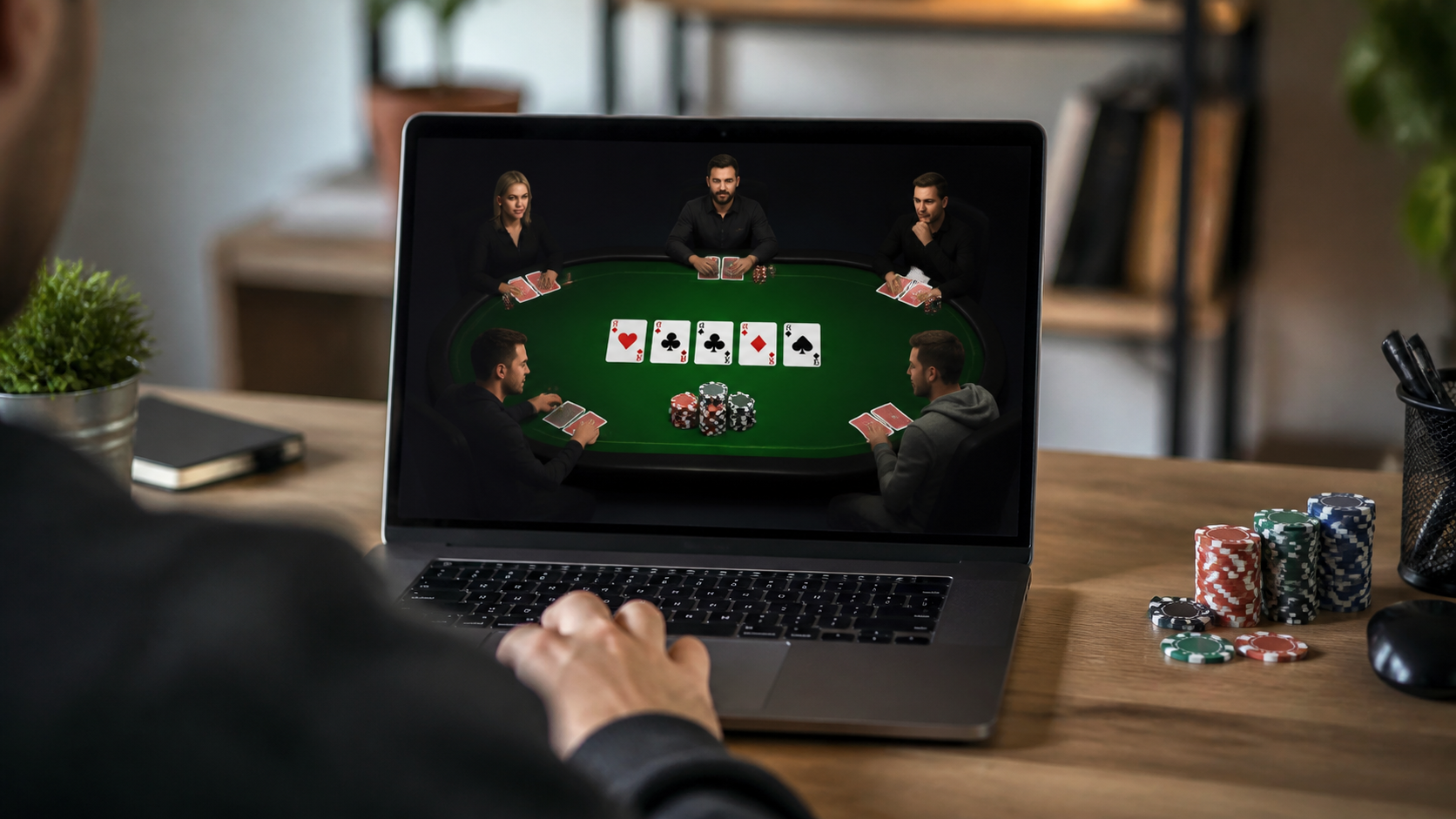
Online poker has become one of the most recognizable skill-based casino games because it blends patience, observation, and decision-making in a way few other games do. For many players, the attraction is not only the possibility of winning a hand but also the satisfaction of reading a table, managing pressure, and choosing the right moment to act. That mix of strategy and uncertainty is what gives the game its lasting appeal.
As digital poker formats continue to grow, players are finding that success depends less on chasing quick results and more on understanding the structure of the game. Bankroll control, table selection, and emotional discipline matter just as much as the cards themselves. If you are exploring ไพ่โป๊กเกอร์ออนไลน์ , it helps to treat the experience as a long-term learning process rather than a sequence of isolated hands.
This article looks at the practical side of online poker: what makes it different from live play, how game choices affect outcomes, and which habits tend to support more thoughtful decisions. The goal is not to promise easy results, but to offer a clearer framework for approaching the game with a steadier mindset.
What Makes Online Poker Different from Other Casino Games
Online poker stands apart from many casino titles because the player is not simply reacting to a machine or a fixed payout table. Every hand involves choices, and those choices are shaped by position, betting patterns, stack sizes, and table dynamics. That creates a more active form of play, where attention and judgment matter throughout the session.
Another difference is pace. Online tables often move much faster than live games, which can be an advantage for experienced players who are comfortable making quick decisions. At the same time, that speed can lead to rushed mistakes if a player does not stay organized. A calm approach usually works better than trying to force action on every hand.
Skill, variance, and patience
Poker always includes variance, and online play is no exception. A strong decision can still lose, and a weak hand can sometimes win. That is why many players focus on the quality of their choices instead of the result of a single hand. Over time, good judgment tends to matter more than any one lucky run.
Patience also becomes more important online because the volume of hands can tempt players to overplay marginal situations. Waiting for better spots, especially in unfamiliar games or higher-pressure tables, often supports more consistent play.
Choosing the Right Format for Your Style
Not every poker format suits every player. Some people prefer fast-paced games where hands come quickly and decisions must be made on the spot. Others enjoy slower structures that allow more observation and deeper planning. Before committing time and money, it helps to think about how much attention you want to give each session and how much volatility you are comfortable handling.
The format you choose can influence both enjoyment and performance. A more aggressive table may suit players who are comfortable applying pressure, while a softer, more relaxed table can work better for those who prefer straightforward decisions. Instead of looking for a universal “best” option, it is often smarter to match the game to your own habits.
Cash games and tournaments
Cash games usually offer more flexibility because players can join and leave without waiting for a full event structure. That can make them appealing to people who want shorter sessions or steadier decision-making. Tournaments, on the other hand, create a different kind of tension because chip preservation and stage-by-stage survival become part of the strategy.
If you enjoy structured progression and can tolerate swings in pace, tournaments may feel more engaging. If you prefer direct control over session length, cash games may be easier to manage. Neither format is automatically better; they simply reward different kinds of thinking.
Table size and pace
The number of players at a table also changes the experience. Smaller tables often lead to more frequent action and wider ranges of playable hands, while larger tables can reward tighter, more selective play. Understanding this distinction can help prevent frustration, especially when a strategy that works in one setting feels weak in another.
Pace matters too. Some players do best when they have enough time to reflect between hands. Others prefer rapid action because it keeps them engaged. Choosing a pace that fits your concentration level can make sessions feel less draining and more controlled.
Building Better Decisions at the Table
Good poker habits often start before the first hand is dealt. A player who enters a session with a clear plan is usually better positioned than someone who reacts emotionally to each outcome. Planning includes deciding how long to play, what stakes feel comfortable, and when it is time to stop. These boundaries are especially useful online, where it is easy to move quickly from one hand to the next.
One practical skill is learning to pay attention to betting patterns rather than only your own cards. Poker is a game of incomplete information, so small details can matter. The size of a bet, the timing of a raise, and the way a hand develops can all offer clues, though none of them should be treated as certainty.
- Play fewer weak hands when the table feels aggressive.
- Pay attention to position before entering large pots.
- Avoid chasing losses with larger bets.
- Take breaks when focus starts to fade.
- Review hands after a session to spot repeated mistakes.
Emotional control is another major part of decision-making. A frustrating beat can influence the next few hands if a player is not careful. Keeping decisions tied to logic rather than to the previous result helps reduce that risk. Even simple habits, such as pausing before making a major call, can improve discipline over time.
Bankroll Management and Responsible Play
Managing your bankroll is one of the clearest ways to stay in control. In online poker, swings can happen even when you are making solid decisions, so it is wise to use funds that fit the level of play you have chosen. That does not mean every session needs a strict spreadsheet, but it does mean having a realistic sense of what you can comfortably afford to lose.
Responsible play also means understanding that the goal is not to force every session into profit. Some days will go better than others, and some games will simply not suit your style. When you accept that uncertainty as part of the experience, it becomes easier to play with a steadier mindset.
Simple habits that support control
A few basic routines can make a meaningful difference. Setting a time limit helps prevent fatigue. Choosing stakes in advance reduces impulsive decisions. Stopping after a difficult stretch can keep a rough session from becoming a much larger one. These habits are not complicated, but they often separate disciplined play from reactive play.
It is also helpful to think of breaks as part of the strategy rather than a distraction from it. Short pauses can restore focus and make later decisions clearer. In games that reward concentration, a fresh mind is often a practical advantage.
Reading the Experience Beyond the Cards
Online poker is not only about hand strength. The surrounding experience matters too: interface clarity, game selection, pace, and how easy it is to stay organized during play. A clean layout can reduce mistakes, while a cluttered or confusing environment can lead to avoidable errors. Those details may seem small, but they can influence how comfortably a player navigates each session.
Players also tend to improve when they review their own patterns honestly. Looking back at moments where a fold was too cautious or a call was too loose can reveal habits that are not obvious in the middle of play. That kind of self-review does not require advanced tools; it just requires attention and a willingness to learn.
For many people, the real value of poker is not a single result but the gradual improvement that comes from better judgment. The more a player understands timing, table selection, and emotional control, the more the game becomes a test of process rather than a chase for short-term outcomes.
Final Thoughts on Playing with Perspective
Approaching online poker with perspective can make the game more satisfying and more manageable. The strongest results usually come from combining patience, discipline, and a willingness to adapt rather than from trying to outguess every hand. When players respect the natural swings of the game, they are often better able to make thoughtful choices throughout a session.
Whether you are exploring new formats or refining your current habits, the best starting point is usually the same: keep expectations realistic, protect your bankroll, and focus on decisions that you can control. That mindset does not remove uncertainty, but it can make the experience more structured, more practical, and ultimately more rewarding.
