


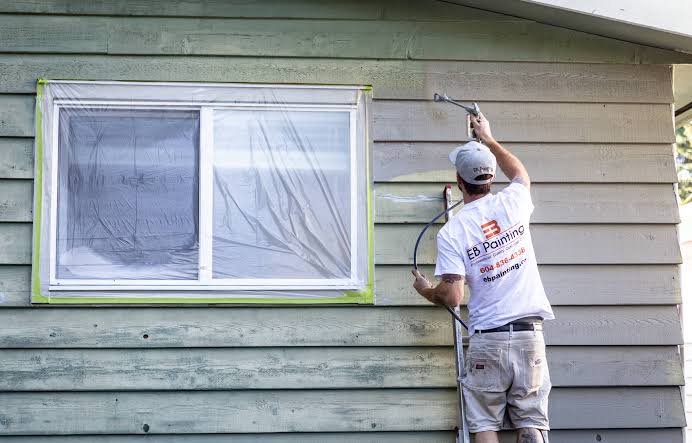
Repainting an entire home is one of the most effective ways to refresh living spaces, boost overall property value, and protect interior and exterior surfaces from daily wear. A full home painting project breathes new life into dated architecture, unifies disparate room aesthetics, and creates a welcoming atmosphere tailored to your personal style. However, tackling a project of this magnitude requires careful preparation, structured timelines, and clear decision-making to avoid costly mistakes and unnecessary disruptions to your daily routine.
Proper strategic preparation ensures that your investment yields smooth, long-lasting results across every room. Investing in professional whole house painting services streamlines the entire process, taking the stress out of color selection, surface preparation, and precise application. The experienced team at Revive 360 Renovations recommends breaking the planning stage down into manageable phases, focusing on defining goals, establishing realistic budgets, selecting appropriate color schemes, and preparing physical spaces before the first coat of primer ever touches the wall.
Defining Your Project Scope and Budget
Before picking out paint swatches or scheduling contractor visits, homeowners must establish a clear scope of work. Determine whether the project will cover both interior and exterior surfaces, or focus strictly on internal spaces like bedrooms, living areas, hallways, trim, and ceilings. Deciding on details such as painting interior doors, window casings, built-in cabinetry, and crown molding early on helps establish a realistic scope and prevents unexpected additions later in the project.
Establishing a solid budget requires accounting for both material costs and skilled labor. High-quality paints, specialized stain-blocking primers, painter’s tape, surface repair compounds, and protective floor drop cloths all contribute to the overall expense. Revive 360 Renovations advises homeowners to allocate a small contingency fund of ten to fifteen percent within their overall budget. This buffer easily absorbs unforeseen surface repairs, such as fixing hidden drywall moisture damage, repairing cracked plaster, or replacing damaged wood trim discovered during initial surface prep.
Choosing Color Palettes and Sheen Levels
Selecting a cohesive color scheme is often the most exciting yet challenging step in planning a comprehensive home repaint. To create a harmonious flow from room to room, select a primary neutral color that serves as the main unifying tone for open spaces and connecting hallways. Complementary accent colors can then be introduced in individual bedrooms, bathrooms, or dining areas to add personality while maintaining a balanced overall aesthetic across the home.
Selecting the correct paint finish or sheen is equally critical for balancing visual appearance with practical durability. Flat and matte finishes absorb light and hide wall imperfections well, making them ideal for low-traffic areas and ceilings. Eggshell and satin sheens offer a soft sheen that is easy to wipe clean, rendering them ideal for living rooms, family spaces, and bedrooms. Semi-gloss and high-gloss sheens provide strong moisture resistance and durability, making them the preferred choice for kitchen walls, bathrooms, baseboards, door frames, and window trim. Revive 360 Renovations assists homeowners with sampling different sheens under natural and artificial lighting conditions to ensure the final finish matches their practical needs.
Essential Surface Preparation Practices
The secret to a flawless, long-lasting paint finish lies almost entirely in thorough surface preparation. Simply applying fresh paint over dirty, cracked, or uneven surfaces leads to premature peeling, blistering, and uneven sheen levels. The surface preparation phase typically requires as much time as the actual painting process, as walls must be meticulously cleaned, patched, sanded, and primed to create an optimal bonding surface for topcoats.
Every wall surface should be wiped down to remove dust, grease, and grime that prevent proper paint adhesion. Nail holes, small dents, and drywall cracks must be filled with spackling compound, allowed to dry completely, and sanded smooth until level with surrounding wall surfaces. Revive 360 Renovations emphasizes that applying a dedicated stain-blocking primer is essential when making dramatic color transitions, covering dark wall shades, or sealing porous drywall repairs. Skipping proper prep work compromise the final appearance and significantly shortens the lifespan of your wall finish.
Managing the Project Schedule and Logistics
Executing a large-scale painting project requires clear logistics to minimize disruptions to your household routine. Planning the work in logical phases allows you to maintain functional living quarters throughout the project. Professional crews typically start on upper floors or remote bedrooms before moving down toward central high-traffic living areas, kitchens, and entryways, keeping dust and movement contained.
Managing your living space during a major whole house painting project involves moving furniture away from walls toward the center of rooms and covering items with heavy plastic sheeting. Valuables, delicate wall art, electronics, and small home decor should be packed away safely before painters arrive. Revive 360 Renovations maintains clear daily communication regarding work schedules, ventilation requirements, and curing times, ensuring that homeowners know exactly when specific rooms will be out of commission and when they can be safely reoccupied.
Hiring Professional Contractors for Lasting Quality
While DIY painting might seem like a cost-saving measure initially, tackling an entire home without specialized equipment and professional experience often leads to uneven coverage, messy lines, prolonged timelines, and frustration. Professional painting contractors possess the commercial equipment, safety gear, ladders, and technical expertise required to handle high ceilings, intricate trim work, and complex exterior surfaces safely and efficiently.
Partnering with a reliable professional company ensures high-standard results and guarantees the use of premium materials. Revive 360 Renovations provides detailed project estimates, clear timelines, and comprehensive warranties on workmanship, giving property owners confidence that their investment is well protected. From the initial consultation to the final walkthrough, professional painters deliver crisp cut-in lines, uniform coverage, and a smooth finish that elevates the entire living space.
Investing in a high-quality whole house painting service completely transforms your living environment while protecting structural surfaces from long-term wear. By setting a realistic budget, choosing cohesive color schemes, committing to proper surface prep, and relying on experienced professionals like Revive 360 Renovations, you ensure a stress-free project and a beautifully finished home you will enjoy for years to come.
Frequently Asked Questions
How long does it take professionals to paint an entire house interior?
A professional crew typically completes a standard three-to-four-bedroom home interior within three to five days. The exact timeframe depends on the home’s square footage, the amount of repair work needed, ceiling heights, and the scope of trim and door painting.
How do I choose a flow of paint colors throughout my home?
To establish a cohesive feel, choose a light, versatile neutral tone for hallways, foyers, and open-concept spaces. Use shades from the same warm or cool undertone family for adjacent rooms, incorporating bolder accent colors in enclosed areas like powder rooms or office spaces.
Do I need to leave my home while the interior is being repainted?
You usually do not need to move out during an interior painting project. Professional painters work in phased sections to leave functional living spaces available, and modern low-VOC or zero-VOC paints minimize fumes and allow rooms to be safely occupied quickly.
What is the difference between low-VOC and zero-VOC paint options?
Volatile Organic Compounds are chemicals that off-gas as paint dries, causing strong odors and potential air quality concerns. Low-VOC and zero-VOC paints contain significantly fewer hazardous chemicals, resulting in lower odor levels, healthier indoor air quality, and faster room re-entry times.
How often should an entire home interior be repainted?
High-traffic areas like hallways, kitchens, and family rooms generally benefit from a fresh coat every three to five years due to scuffs and wear. Low-traffic spaces like adult bedrooms and guest rooms can maintain a great finish for seven to ten years with proper care.
