


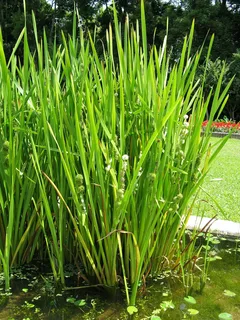
A well-planted pond edge can transform a simple water feature into an attractive and natural part of the garden. Marginal pond plants grow in shallow water or damp soil around the pond perimeter, helping soften hard edges while providing color, texture, and habitat for wildlife. Choosing the Top Marginal Pond Plants for Creating a Healthy and Attractive Pond Edge allows gardeners to create a balanced planting scheme that looks beautiful throughout the seasons.
From colorful flowering plants to tall foliage varieties, there are options for ponds of almost every size and style.
What Are Marginal Pond Plants?
Marginal pond plants are aquatic or moisture-loving plants that thrive around the shallow edges of ponds. Unlike floating plants, they are generally rooted in the soil or planting containers, with their leaves and flowers growing above the water.
These plants can be used to disguise pond liners, soften artificial borders, and create a gradual transition between the water and surrounding garden.
Why Plant Marginals Around Your Pond?
The Top Marginal Pond Plants for Creating a Healthy and Attractive Pond Edge offer several benefits beyond decoration.
Improve Pond Appearance
Marginal plants add different heights, textures, and colors to the pond border. Their foliage can make an artificial pond look more established and natural.
Provide Wildlife Habitat
Dense foliage offers shelter for insects, frogs, and other small pond visitors. Flowering plants can also attract bees, butterflies, and other pollinators.
Help Create a Natural Transition
A carefully planted pond edge can blend the water feature into the surrounding landscape. Plants help soften hard materials such as stones, concrete, and pond liners.
Top Marginal Pond Plant Choices
There are many varieties to consider when designing a pond border. The best choice depends on available sunlight, water depth, climate, and the size of your pond.
1. Water Iris
Water-loving iris varieties are popular because of their attractive flowers and upright foliage. Depending on the variety, flowers can appear in shades of yellow, blue, purple, or white.
Their tall leaves provide structure and can create a strong vertical element around the pond.
2. Marsh Marigold
Marsh marigold is an excellent choice for adding bright seasonal color. Its yellow flowers are particularly attractive in spring, while its rounded leaves complement natural-looking pond borders.
It performs well in wet soil and shallow water.
3. Pickerelweed
Pickerelweed produces upright spikes of blue or purple flowers and can add height to a planting scheme. It works especially well toward the rear of the pond margin, where its vertical growth can contrast with shorter plants.
4. Water Forget-Me-Not
This delicate plant produces small blue flowers and low-growing foliage. It can be useful for filling shallow areas and creating a softer transition between the water and land.
5. Water Mint
Water mint can add attractive foliage and small flowers to a pond edge. Its fragrant leaves make it an interesting addition to wildlife-friendly water gardens.
Because it can spread, it should be monitored and managed when necessary.
How to Arrange Marginal Plants
When using the Top Marginal Pond Plants for Creating a Healthy and Attractive Pond Edge, consider the mature height and spread of every variety.
Place taller plants toward the back or sides and shorter varieties toward the front. Grouping complementary plants together can create a more natural appearance than scattering individual plants randomly.
Try combining different leaf shapes and flowering periods to maintain interest throughout the growing season.
Choosing Plants Based on Pond Conditions
Not every marginal plant will thrive in every pond. Check the recommended planting depth before placing a plant in the water.
Sunlight is equally important. Many flowering species prefer full sun, while others can tolerate partial shade. Observe the pond throughout the day and choose varieties that match its light conditions.
Also consider the size of your pond. Fast-growing plants can quickly become crowded in small water features, while larger ponds can accommodate taller and more vigorous varieties.
Planting and Maintenance Tips
Marginal plants can be grown directly in suitable damp soil or in aquatic baskets positioned on pond shelves. Use an appropriate aquatic planting medium and follow the recommended planting depth for each species.
Regular maintenance helps keep the pond edge under control. Remove dead foliage and flowers when needed, and trim vigorous growth before it spreads too far.
Plants that become overcrowded can often be divided and replanted. Keeping fast-growing varieties contained is especially important in smaller ponds.
Supporting a Healthy Pond Ecosystem
A diverse pond border can contribute to a healthier aquatic environment. Plants provide shelter and breeding areas for some wildlife while creating additional habitats for insects.
However, avoid overcrowding the pond with vegetation. Maintaining a balance between planted areas and open water helps preserve the visual appeal and overall condition of the pond.
Final Thoughts
Selecting the Top Marginal Pond Plants for Creating a Healthy and Attractive Pond Edge can make a significant difference to the appearance and character of a water garden. Water iris, marsh marigold, pickerelweed, water forget-me-not, and water mint are just a few options that can provide color, structure, and wildlife value.
By matching plants to water depth, sunlight, available space, and maintenance requirements, you can create a beautiful pond edge that complements the rest of your garden. With regular care and thoughtful planting, marginal plants can remain an attractive and valuable part of your water garden for years.
