


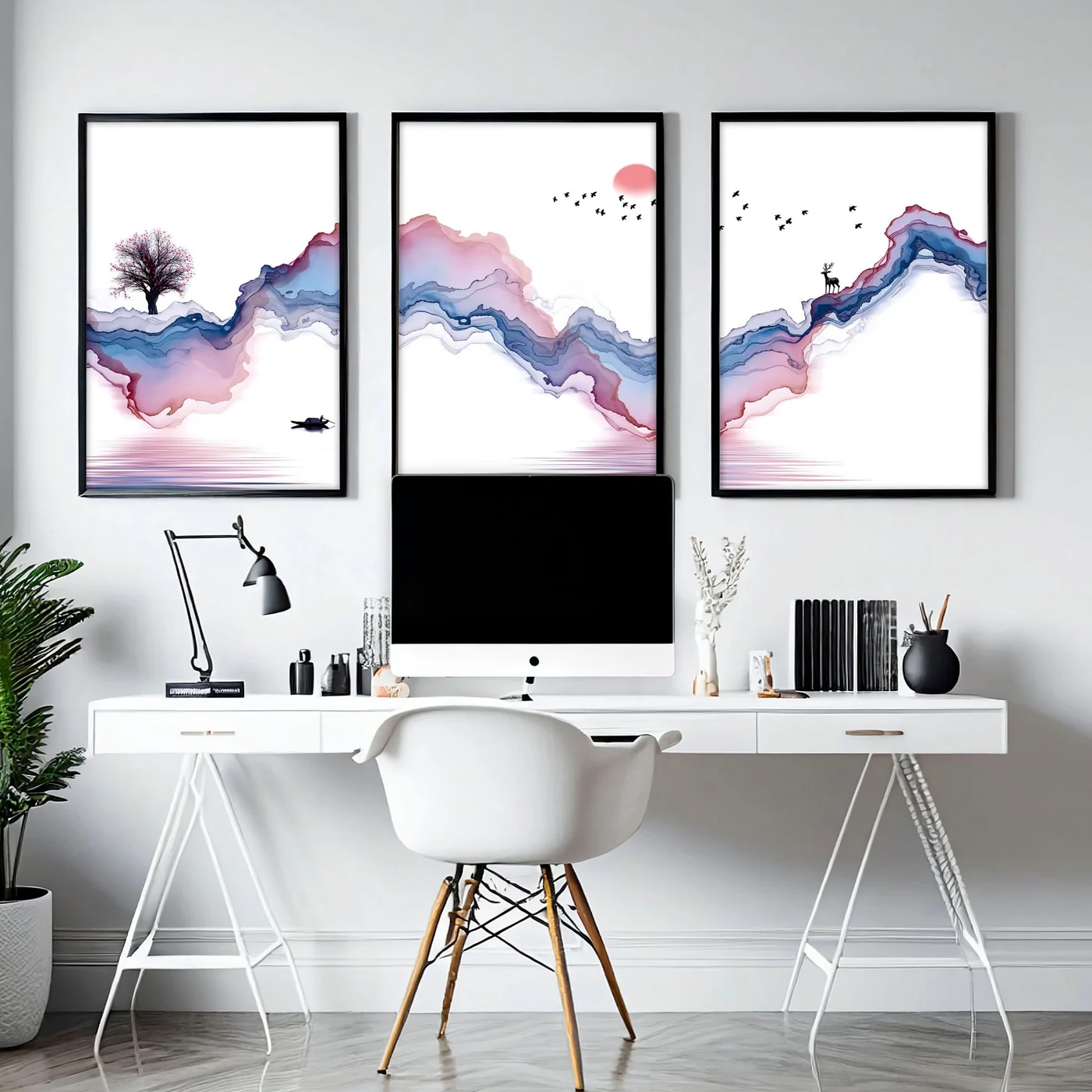
Corporate interior design is evolving beyond functionality, with businesses increasingly recognizing the importance of creating workplaces that feel inspiring, sophisticated, and culturally meaningful. Among the most effective ways to achieve this transformation is through the thoughtful integration of large-format fine art photography. Carefully selected photographic works can turn ordinary office environments into visually engaging spaces while reinforcing a company’s identity, values, and attention to detail.
The Growing Role of Fine Art in Corporate Interiors
Modern offices are no longer designed solely around desks, meeting rooms, and practical furniture. Employers and designers are placing greater emphasis on atmosphere, employee well-being, creativity, and the experience of clients and visitors. Art plays an important role in creating this environment.
Fine art photography offers particular advantages for corporate interiors because it combines visual sophistication with contemporary aesthetics. Architectural photography can introduce strong lines, symmetry, and structure, while marine, landscape, and abstract photography can provide a sense of calm and openness.
A thoughtfully selected artwork can become a focal point within a reception area, boardroom, executive office, conference room, or hospitality space. Rather than appearing decorative for its own sake, the artwork contributes to the overall architectural language of the interior.
Creating a Strong First Impression
Reception areas and corporate lobbies are often the first points of contact between a company and its clients, partners, investors, or prospective employees. The visual environment can influence how visitors perceive the organization before a single conversation begins.
Large-scale fine art prints can provide these spaces with a distinctive sense of character. A carefully positioned photographic work can complement the architecture, create visual depth, and communicate qualities such as precision, creativity, professionalism, or sophistication.
For companies operating in industries such as finance, architecture, technology, hospitality, luxury retail, and professional services, fine art can also help distinguish a corporate environment from a conventional office setting.
Art as an Extension of Brand Identity
Corporate artwork does not necessarily need to display a company logo or directly communicate a marketing message. In many cases, subtle visual associations can be much more effective.
For example, an architectural series featuring geometric forms may complement a technology or engineering company that values precision and innovation. Marine photography can create a more tranquil atmosphere in executive environments, while dramatic landscapes can introduce a sense of scale and exploration.
This makes art selection an important part of corporate interior strategy. The objective is to choose works that harmonize with the company’s visual identity without making the environment feel overly commercial.
The Impact of Large-Format Photography
Scale is particularly important when selecting artwork for commercial environments. A small print may become visually insignificant when placed on a large wall, while a properly proportioned large-format photograph can establish an immediate focal point.
Oversized fine art prints work especially well in:
- Corporate reception areas
- Executive offices
- Boardrooms
- Conference rooms
- Hotel-style corporate lounges
- Financial institutions
- Creative agencies
- Luxury retail environments
- Architectural and design studios
- Private client areas
The physical scale of the artwork should complement the dimensions, furniture, lighting, and architectural features of the room. The objective is to create balance rather than visual competition.
Architectural Photography for Modern Workplaces
Architectural photography is particularly suited to contemporary corporate interiors because it naturally reflects the language of modern architecture. Repeating patterns, structural elements, reflections, shadows, and carefully controlled perspectives can introduce order and visual rhythm.
Works by photographer Antonio Ricci, for example, can provide corporate collections with a combination of architectural precision and artistic interpretation. His large-scale architectural series can complement minimalist interiors while adding depth and visual interest to otherwise understated spaces.
Architectural photography can also create a dialogue between the artwork and the building itself. When the lines, textures, or forms within a photograph echo the surrounding architecture, the artwork feels integrated rather than simply placed on a wall.
Marine Photography and Workplace Serenity
Corporate environments can sometimes feel visually and psychologically demanding. Screens, artificial lighting, meetings, and high levels of activity can contribute to an atmosphere that feels overly functional.
Marine photography provides an alternative visual language. Open water, horizons, reflections, and natural compositions can introduce a sense of calm and spaciousness.
For boardrooms, executive lounges, waiting areas, and private offices, marine imagery can soften the environment while maintaining a refined and professional appearance. The restrained color palettes and expansive compositions often work particularly well with contemporary furniture and neutral architectural materials.
Antonio Ricci’s marine photography can therefore offer corporate collectors an opportunity to incorporate natural serenity into modern commercial environments while retaining the qualities expected from fine art.
Supporting Employee Well-Being
The workplace environment can influence mood, concentration, creativity, and the overall employee experience. While artwork is not a substitute for thoughtful workplace planning, visual elements can contribute to a more engaging and pleasant environment.
Natural subjects, balanced compositions, and visually calming imagery can provide moments of visual relief within busy workspaces. In collaborative environments, artwork can also encourage conversation and create a stronger sense of identity within shared spaces.
Companies increasingly understand that employee experience extends beyond salaries, technology, and office furniture. The physical environment can also communicate that the organization values quality, creativity, and human experience.
Fine Art Photography as Cultural Investment
Acquiring original fine art photography can represent more than an interior decoration decision. Corporate collections can contribute to the broader cultural ecosystem by supporting photographers and contemporary artistic practices.
For businesses that acquire original works or limited-edition photographic prints, the artwork can become part of a long-term corporate collection. Pieces may remain in executive offices, move between company locations, or become part of a carefully curated collection displayed throughout an organization’s premises.
This approach gives corporate interiors greater cultural depth while allowing companies to demonstrate an appreciation for artistic excellence.
Choosing the Right Artwork for a Corporate Environment
Selecting fine art for a commercial setting requires careful consideration. The strongest choices generally take several factors into account.
Architecture: The artwork should complement the building’s materials, proportions, and design language.
Color palette: Photography should work harmoniously with the existing interior rather than creating unnecessary visual conflict.
Scale: Large walls often require substantial artwork to achieve the desired impact.
Subject matter: The subject should suit the function and atmosphere of the room.
Lighting: Natural and artificial lighting can significantly affect how a photographic print is perceived.
Brand identity: The artwork should support the company’s overall aesthetic and corporate character.
Longevity: Corporate art should ideally have a timeless quality rather than relying exclusively on short-lived design trends.
European Corporate Collections
Fine art photography has a strong presence within European design and collecting culture. Corporate and hospitality environments across Europe frequently incorporate photography as part of their broader interior design strategies.
Italy and Malta, in particular, provide distinctive settings for architectural and marine photography. Italian architecture, historic structures, Mediterranean landscapes, and coastal environments offer rich visual subjects, while Malta’s maritime character and distinctive architectural heritage provide another compelling context for photographic collections.
For photographers such as Antonio Ricci, these themes can translate naturally into works suitable for sophisticated corporate environments.
Integrating Art With Interior Design
The most successful corporate art installations are generally planned alongside the interior rather than added after the design is complete. Architects, interior designers, art consultants, and corporate decision-makers can work together to determine where artworks will have the greatest visual and experiential impact.
Placement matters. A photograph positioned behind a reception desk can become an immediate focal point, while a carefully selected series distributed throughout corridors can create continuity between different areas of a building.
Framing, mounting, print finish, and lighting should also be considered as part of the installation process. These technical details can significantly influence the final presentation and perceived quality of the artwork.
A Lasting Investment in Workplace Aesthetics
Fine art photography offers businesses a sophisticated method of improving corporate interiors without compromising professionalism. Whether used to introduce architectural structure, marine serenity, cultural depth, or a distinctive visual identity, photography can transform commercial environments into more memorable spaces.
The growing interest in original and limited-edition photographic works reflects a broader shift in corporate design: workplaces are increasingly expected to be functional while also being inspiring and meaningful.
For organizations seeking to create refined environments, works by photographers such as Antonio Ricci offer an opportunity to combine artistic expression with contemporary interior design. His architectural and marine collections can provide visual balance, sophistication, and a strong sense of place within offices, boardrooms, reception areas, and executive spaces.
Ultimately, investing in fine art photography is an investment not only in the appearance of a workplace, but also in the atmosphere and identity it communicates. When carefully selected and professionally integrated, fine art can elevate a corporate environment from a purely functional workspace into a distinctive setting that reflects creativity, cultural appreciation, and long-term vision.
