


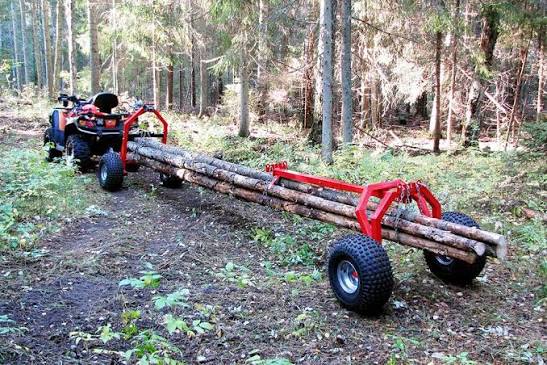
Forestry and logging operations often require equipment that can handle rough terrain, steep trails, mud, fallen branches, and heavy workloads. A used UTV can be a practical addition to a forestry operation because it provides a compact way to transport workers, tools, supplies, and equipment across areas where larger vehicles may struggle to maneuver. Choosing the right used UTV requires careful consideration of terrain, payload capacity, durability, and overall condition.
What Makes a UTV Suitable for Forestry?
A forestry UTV should have enough ground clearance and traction to travel across uneven woodland terrain. Four-wheel drive is particularly useful when operating on muddy trails, steep inclines, loose soil, or wet ground. Good suspension is also important because forestry trails can contain rocks, roots, ruts, and other obstacles.
The vehicle should also have enough clearance underneath to reduce the risk of damage from branches, rocks, and other debris. Before purchasing a used UTV, inspect the undercarriage for dents, cracks, and signs of previous off-road damage.
Consider Payload and Cargo Capacity
Forestry workers often need to carry chainsaws, fuel containers, ropes, tools, protective equipment, and replacement parts. A UTV with a practical cargo bed can make transporting these items much easier.
Check the manufacturer’s recommended payload capacity and compare it with your typical workload. Avoid choosing a vehicle that will regularly operate at or beyond its maximum capacity. Excessive loads can increase wear on the suspension, brakes, tires, and drivetrain.
Towing Capability Matters
A UTV used for forestry may need to pull a small trailer or other equipment around a property. Before purchasing, check the manufacturer’s towing rating and make sure it meets your requirements.
A vehicle equipped with a reliable hitch and appropriate drivetrain can provide additional versatility. A winch can also be valuable when moving equipment or recovering the UTV from difficult terrain.
Inspect the Used UTV Carefully
Forestry work can be demanding, so inspecting a used UTV is essential. Look for damage to the frame, suspension, cargo bed, tires, steering components, and protective structures. Check for excessive rust and signs that the vehicle has been exposed to water or harsh conditions.
Start the engine and listen for unusual sounds. Test the transmission, four-wheel-drive system, brakes, steering, lights, and other controls. If possible, review maintenance records and ask about the vehicle’s previous workload.
Consider Polaris Ranger UTVs
Buyers looking for a work-focused model can compare Polaris Ranger UTVs for sale. The Ranger is known as a utility-oriented UTV platform and can be worth considering for forestry, property maintenance, agriculture, and other demanding applications.
When shopping for a used model, however, focus on the specific vehicle’s condition rather than relying solely on the model name. Operating hours, maintenance history, tires, accessories, and previous use can have a major effect on value.
Choose the Right Size
A larger UTV may offer greater cargo capacity and passenger space, but a smaller model can be easier to maneuver between trees and along narrow trails. Consider the width of the trails and the type of forestry work you perform before choosing a vehicle.
Storage, transportation, and maintenance requirements should also be considered when comparing different models.
Final Thoughts
The best used UTV for forestry and logging should provide dependable traction, sufficient ground clearance, useful cargo capacity, and the durability required for challenging terrain. A careful inspection can help identify mechanical problems before you purchase. By comparing different used utility vehicles and choosing a model based on your actual forestry requirements, you can find a practical machine capable of transporting people, tools, and supplies throughout demanding woodland environments.
