


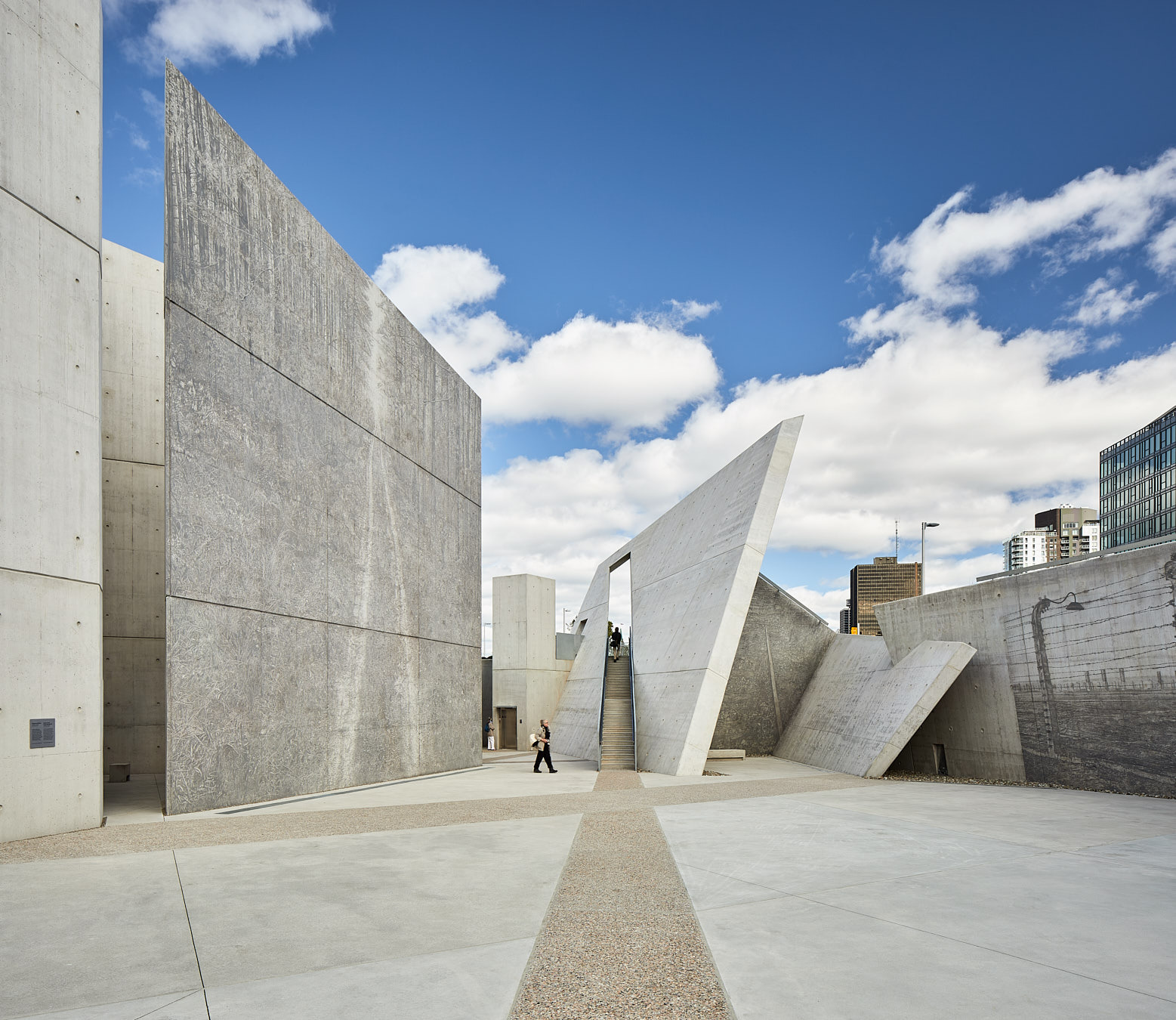
The landscape of modern architectural design and memorial masonry is undergoing a quiet, profound transformation in 2026. Urban planners, landscape architects, and families are moving decisively away from mass-produced, generic stone markers. In their place, the industry is embracing bespoke, mathematically engineered monuments that combine deep historical reverence with unmatched geological longevity.
This shift is driven by a growing awareness of material science and climate resilience. Commemorative structures must endure extreme thermal fluctuations, freeze-thaw cycles, and atmospheric pollution without losing their structural integrity or aesthetic clarity. Achieving this standard requires bridging the gap between ancient stone carving traditions and computer-aided manufacturing.
Modern masonry leverages advanced CAD modeling, multi-axis diamond tooling, and laser engraving to achieve micro-dimensional accuracy. Collaborating with specialized stone fabricators like monumentmasters ensures that custom architectural concepts are translated into physical stone with absolute structural density and zero structural compromise. Selecting the right geological substrate and foundation mechanics is now recognized as a mandatory prerequisite for long-term preservation.
What is Modern Memorial Architecture and Why Pay Attention?
Modern memorial architecture is the technical discipline of designing, engineering, and fabricating lasting commemorative structures from natural igneous and metamorphic rock. This field extends far beyond surface decoration, incorporating geological material science, soil load-bearing dynamics, and environmental impact assessments. In 2026, masons evaluate the internal mineral composition and compressive strength of every granite block before primary cutting begins.
Paying attention to this evolution is essential because the cost of improper material selection is catastrophic over time. Legacy structures frequently suffer from micro-fracturing, moisture retention, and rapid biological decay due to unverified stone sourcing. By utilizing predictive weathering analysis, modern engineers select high-density granite variants that actively resist acid rain and sub-zero temperature shifts.
Furthermore, structural failures in heavy stonework pose serious safety hazards and lead to expensive restoration projects. When a massive granite structure absorbs excess groundwater, internal freezing can cause irreversible cracking along natural cleavage planes. Embracing modern engineering standards protects the physical asset, preserving both the emotional legacy and the financial investment for generations.
Common Mistakes to Avoid Regarding Memorial Design
Outfitting a memorial site requires careful alignment between physical aesthetics and structural engineering principles. Designers and clients frequently make critical errors during the initial material selection and foundation planning phases. Avoiding these common mistakes is essential for maintaining long-term physical stability.
- Failing to evaluate soil load capacity: Placing multi-ton granite structures on uncompacted subsoil leads to uneven ground settling and structural tilting.
- Selecting porous stone variants: Utilizing high-porosity marble or low-density sandstone in severe winter climates causes rapid internal water expansion and surface spalling.
- Ignoring micro-climate variables: Installing high-gloss polished granite directly under dense tree canopies accelerates organic staining and aggressive lichen growth.
- Bypassing hydrophobic sealing: Neglecting to apply breathable nano-porosity sealants leaves the stone vulnerable to deep mineral discoloration and atmospheric pollutant absorption.
- Omitting elastomeric expansion joints: Joining large stone slabs without flexible structural joints causes the material to crush its own edges during thermal expansion.
Related resource: kapu pieminekli
Step-by-Step Guide: How to Effectively Use Precision Stone Fabrication
Executing a custom memorial project requires a structured, multi-phase operational workflow. Adhering to a standardized fabrication protocol ensures that creative concepts remain structurally sound and compliant with installation standards. Following these sequential steps minimizes material waste and guarantees physical stability.
- Conduct a physical site survey: Map the installation site to determine ground slope, soil density, solar orientation, and natural water drainage patterns.
- Develop volumetric 3D models: Create digital models of the proposed structure to test internal weight distribution and kinetic load thresholds prior to cutting.
- Perform ultrasonic block testing: Subject raw quarry granite to ultrasonic non-destructive testing to verify that zero microscopic internal fractures exist within the stone.
- Program automated cutting machinery: Translate 3D CAD files into precise machine code for multi-axis diamond wire saws and heavy-duty CNC milling centers.
- Execute laser-guided detailing: Utilize focused laser ablation systems to execute precise lettering, relief textures, and micro-grooves that resist wind-driven erosion.
- Prepare the reinforced substrate: Pour a steel-reinforced concrete pad below the local frost line to create an unyielding, level foundation for the stonework.
Best Practices and Expert Advice
Industry experts strongly advocate prioritizing high-density dark granites and quartz-rich quartzites for all outdoor structural applications. These geological formations offer exceptional quartz concentration and low absorption rates, making them naturally immune to ultraviolet fading and acid-driven mineral degradation. Always request certified laboratory reports detailing the flexural strength and water absorption metrics of raw quarry blocks before fabrication starts.
When designing multi-piece structural monuments, implement concealed mechanical anchoring rather than relying solely on surface adhesives. Stainless steel dowels embedded within pre-drilled internal channels prevent lateral movement caused by ground shifts or subtle seismic vibrations. This structural redundancy is critical for maintaining public safety and architectural alignment across decades of exposure.
Working alongside experienced engineering teams at monumentmasters allows architects to mathematically calculate thermal dynamics and structural load limits prior to final site installation. Proper planning prevents stress fractures caused by localized heat absorption in dark granite slabs. Additionally, all exposed joinery should utilize specialized non-staining structural silicone sealants that accommodate natural expansion cycles.
Maintenance protocols should focus on non-destructive cleaning methods. Avoid harsh chemical acids or high-pressure power washing, which can strip protective surface coatings and open microscopic pores in the stone. Routine washing with pH-neutral solutions combined with periodic applications of breathable fluoropolymer barriers keeps the stone clean without compromising its natural surface integrity.
Future Perspectives: Development Trends
The evolution of precision stone crafting over the next two to three years will focus heavily on sustainable processing and advanced closed-loop manufacturing. Fabrication facilities are rapidly adopting closed-loop water filtration, recycling up to 98% of the water used during diamond sawing and polishing operations. This dramatic reduction in resource consumption makes natural stone one of the most eco-friendly building materials available.
We are also seeing significant advancements in bio-compatible protective coatings. Researchers are developing plant-based, micro-porous sealants that prevent deep oil and soot penetration while allowing the stone to naturally exhale trapped internal vapor. These bio-sealants eliminate the risk of surface clouding while extending maintenance intervals significantly.
Furthermore, diamond tooling technology continues to refine cut precision down to sub-millimeter tolerances. Advanced milling bits allow masons to create complex mathematical geometries and intricate organic textures that were previously impossible to execute in hard granite. This mechanical evolution ensures that custom memorial architecture remains both visually captivating and structurally indestructible.
Conclusion
Navigating modern memorial architecture in 2026 requires a disciplined, engineering-first approach to geological material selection and stone fabrication. Relying on mass-produced designs or unverified stone sources introduces unacceptable risks of premature degradation and structural failure. By understanding stone density, load distribution, and precise digital fabrication, designers can create timeless structural statements.
Adopting modern stone masonry practices transforms commemorative projects into calculated, highly enduring investments. As fabrication technology continues to refine diamond tooling and closed-loop processing, partnering with experienced stone crafting specialists remains essential for achieving lasting quality. Prioritizing material science, proper anchoring, and engineered foundations ensures that natural stone monuments stand as unbroken, pristine tributes for centuries to come.
