


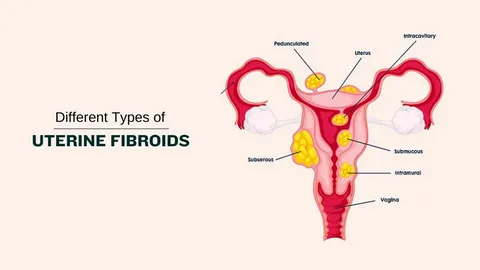
Finding out you have uterine fibroids can naturally bring up a scary question: Are fibroids cancerous, or can they turn into cancer over time?
The short answer is no. Uterine fibroids are benign, non-cancerous growths made of smooth muscle and connective tissue. They do not turn into cancer, and having them does not raise your risk of developing uterine cancer or any other gynecological disease.
Understanding how fibroids differ from rare cancers, what symptoms to watch for, and how doctors diagnose them can help bring peace of mind as you explore your treatment options.
Fibroids vs. Uterine Cancer
People sometimes confuse fibroids with a rare uterine cancer called uterine leiomyosarcoma. While both develop in the muscle wall of the uterus and can cause similar symptoms, they are completely different conditions.
Fibroids are exceptionally common, affecting up to 80% of women by age 50. They typically grow slowly during your childbearing years when hormone levels like estrogen and progesterone are high. After menopause, fibroids usually stop growing and often shrink naturally as hormone levels drop.
In contrast, uterine leiomyosarcoma is extremely rare. It does not start as a normal fibroid that suddenly transforms into cancer; rather, it starts as a malignancy from the very beginning. This rare cancer is most often diagnosed in women who have already gone through menopause. Fibroids and cancer can seem scary but knowing the difference can help.
Warning Signs That Require Evaluation
Because fibroids are so common and non-cancerous, they are usually safe to treat with minimally invasive options. However, because rare cancers can mimic fibroid symptoms, doctors look for specific warning signs that require a deeper look:
- Postmenopausal Bleeding: Any unexpected vaginal bleeding after you have gone through menopause is a key sign to see a specialist right away.
- Rapid Growth After Menopause: Since normal fibroids shrink when estrogen levels decline, a mass that suddenly grows or appears after menopause needs immediate medical evaluation.
- Unusual or Severe Pain: Severe pelvic pain or rapid swelling that does not respond to standard fibroid therapies warrants further testing.
Getting an Accurate Diagnosis
Before starting any treatment, specialists use advanced diagnostic imaging to evaluate your uterus.
While a standard pelvic ultrasound provides a great first look at the size and number of growths, a detailed MRI scan helps doctors examine the tissue structure closely. Benign fibroids typically have neat, well-defined, smooth borders. Cancerous tissue, on the other hand, usually displays irregular edges and abnormal blood flow patterns on advanced scans.
Your Treatment Options
Because the vast majority of uterine growths are completely benign, you do not automatically need major surgery like a hysterectomy to get relief from symptoms like heavy bleeding or pelvic pressure.
Non-surgical, image-guided procedures like Uterine Fibroid Embolization (UFE) allow specialists to block the blood supply feeding the fibroids. This causes them to shrink and die off naturally while leaving your uterus intact. Working with a specialist ensures you get an accurate diagnosis, rule out any rare risks, and choose the safest treatment for your lifestyle.
