


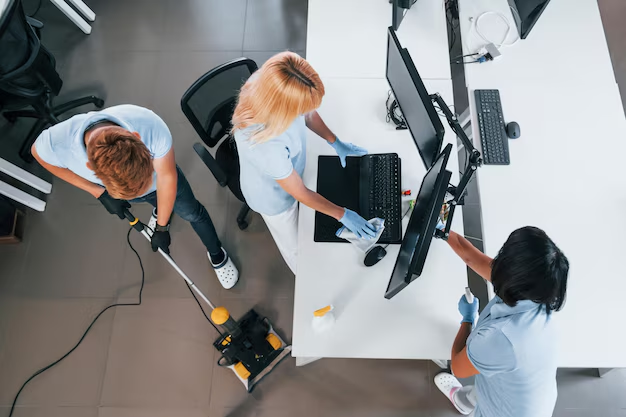
The condition of a workplace can influence how employees feel about their surroundings and how visitors perceive a business. Professional office cleaning Melbourne businesses arrange can help maintain reception areas, meeting rooms, workstations, kitchens, bathrooms, and shared spaces through a consistent cleaning routine. Instead of waiting until dirt, dust, or waste becomes obvious, a structured approach can address frequently used areas according to employee numbers, visitor traffic, office layout, and operating hours.
Why Workplace Cleanliness Requires More Than Occasional Attention
An office may appear clean immediately after a major service, but daily activity quickly changes its condition. Employees walk through entrances, use shared kitchens, attend meetings, handle common equipment, and generate waste throughout the working day.
Without a regular schedule, small cleaning issues can build up. Dust collects around equipment, fingerprints appear on glass, and busy floors begin to show visible dirt.
Consistent attention helps prevent these problems from becoming difficult to manage. The schedule should reflect actual workplace activity rather than relying on occasional intensive cleaning to restore neglected areas.
Every Office Needs a Cleaning Plan Based on How It Operates
Two offices of similar size may have very different requirements. One may have a small team and few visitors, while another may contain shared workstations, busy meeting rooms, and a reception area used throughout the day.
Cleaning frequency should reflect these differences. High-traffic spaces may need more attention than private offices or rooms used only occasionally.
Businesses should review how each area functions before setting priorities. This creates a more practical schedule and helps direct cleaning time towards the spaces that need it most.
Reception Areas Influence the First Impression of a Business
Visitors often form an early opinion of a workplace before entering a meeting room. Entrance doors, floors, seating, glass, and reception counters all contribute to that impression.
These areas can become dirty quickly because they connect the workplace with the outdoors. Rain, dust, and regular foot traffic may create changing cleaning requirements throughout the year.
A reception area should remain ready for visitors during normal business operations. The cleaning plan may therefore need to account for both scheduled work and additional attention during particularly busy periods.
High-Touch Surfaces Can Be Easy to Overlook
Not every important cleaning task involves a large visible area. Door handles, light switches, lift buttons, taps, appliance controls, and shared equipment may be touched repeatedly throughout the day.
These surfaces do not always look dirty, which makes them easy to miss during a general visual inspection. A detailed schedule should identify them clearly.
The relevant contact points can differ between workplaces. A shared printer may receive heavy use in one office, while access controls or meeting room equipment may be greater priorities elsewhere.
Shared Kitchens Need Clearly Defined Responsibilities
Office kitchens can quickly become one of the most difficult areas to maintain. Coffee preparation, lunches, food storage, and regular appliance use create spills, crumbs, stains, and waste.
Benchtops, sinks, taps, tables, cupboard handles, and appliance surfaces may all require attention. Floors can also become dirty during busy lunch periods.
Businesses should establish what employees are expected to manage and what forms part of the professional cleaning routine. Clear responsibilities reduce confusion and help prevent recurring problems such as abandoned dishes or overflowing waste.
Bathrooms Should Be Cleaned According to Traffic Levels
Bathroom cleaning frequency should reflect the number of people using the facilities. A schedule suitable for a small workplace may not be enough for a larger office with employees, clients, and other visitors.
Toilets, basins, mirrors, taps, handles, floors, and dispensers all need regular attention. Essential supplies may also require monitoring as part of the agreed arrangement.
Usage patterns can change as a business grows. Reviewing the schedule after staffing or occupancy changes can help ensure the service continues to match actual demand.
Workstations Need a Practical Cleaning Policy
Desks often contain monitors, cables, documents, stationery, personal items, and other equipment. This can make it difficult to determine which surfaces can be cleaned safely.
A clear policy can help. Employees may be asked to keep agreed areas accessible on certain days, allowing cleaners to complete their work without moving important documents or belongings.
Shared workstations may require a different approach from assigned desks. The cleaning plan should reflect how each area is used and who is responsible formaintaining personal items.
Meeting Rooms Can Become Untidy Throughout the Day
A meeting room may be used for presentations, interviews, internal discussions, and client appointments within a few hours. Repeated use can leave fingerprints, cups, crumbs, and waste behind.
Tables, chairs, screens, whiteboards, and other shared features may need attention depending on how frequently the room is booked.
Businesses with heavily used meeting facilities should consider whether the standard cleaning schedule is enough. High-traffic rooms may need additional checks to remain ready for the next group.
By matching cleaning routines to traffic levels, workplace activities, and changing business needs, organisations can maintain spaces that feel more organised and professional. The strongest results come from regular attention, clear responsibilities, and a cleaning plan that continues to adapt as the workplace evolves.
