


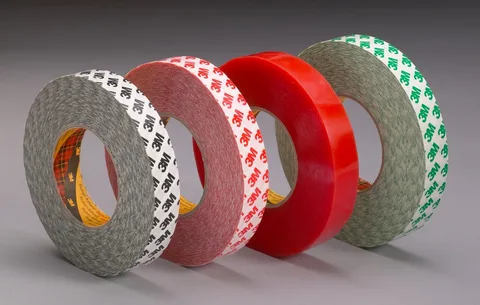
Adhesive bonding has become an important alternative to screws, rivets, and welding in many manufacturing, construction, automotive, signage, and assembly applications. Choosing the right 3M double sided tapes allows components to be joined without visible mechanical fasteners while helping distribute stress more evenly across the bonding surface. The effectiveness of the bond, however, depends on factors such as surface preparation, material compatibility, environmental conditions, and correct application rather than the adhesive alone.
Different projects may also require specialised bonding solutions, which is why 3M foam tape is often considered where a degree of gap filling, vibration absorption, or bonding between uneven surfaces is required. Foam-backed tapes can conform to minor surface variations while maintaining consistent contact across the bonding area, making them suitable for a wide variety of industrial and commercial applications.
Selecting the correct 3M tape involves understanding more than adhesive strength. Surface energy, temperature exposure, moisture, UV exposure, weight distribution, and long-term operating conditions all influence performance. Matching the tape to the application from the beginning helps improve reliability and reduces the risk of premature bond failure.
Surface Preparation Has a Greater Impact Than Many People Expect
Even the highest-quality adhesive performs poorly if it is applied to a contaminated surface. Dust, grease, moisture, oil, release agents, and loose particles can reduce the contact between the adhesive and the substrate.
Cleaning should be completed using methods appropriate for the material being bonded. Once the surface is prepared, unnecessary handling should be minimised to avoid reintroducing contaminants before application.
Surface condition also includes texture. Extremely rough or damaged surfaces may reduce the available bonding area, while smooth, clean substrates generally allow more consistent adhesive contact.
Different Materials Require Different Bonding Approaches
Not every material responds to adhesives in the same way. Metals, plastics, glass, composites, painted surfaces, and coated materials each present different bonding characteristics.
Some plastics have low surface energy, making them more challenging for adhesives to grip without suitable product selection. Likewise, painted or coated surfaces may behave differently depending on the coating type and condition.
Understanding the materials involved helps determine whether the selected tape is appropriate for both bonding surfaces rather than only one side of the joint.
Load Distribution Can Influence Long-Term Performance
Mechanical fasteners concentrate loads at individual fixing points, while adhesive tapes distribute loads across a broader bonded area. This difference can influence how forces are transferred between joined components.
However, the bonded area still needs to be designed correctly. Small bonding surfaces carrying large loads may not perform as effectively as larger, properly planned contact areas.
Considering load direction is equally important. Shear, peel, and tensile forces affect adhesive joints differently, so the application should be assessed according to the way the finished assembly will be used.
Environmental Conditions Should Be Part of the Selection Process
The operating environment can significantly influence adhesive performance. Heat, cold, moisture, chemicals, ultraviolet exposure, and continuous outdoor use may all affect long-term durability.
A tape suitable for indoor use may not necessarily perform in the same way when exposed to weather or industrial environments. Businesses should evaluate the actual conditions rather than selecting products based only on initial bond strength.
Considering the complete service environment during product selection helps reduce unexpected performance issues after installation.
Pressure During Application Matters
Pressure is an important part of adhesive bonding because it helps create full contact between the adhesive and the surface. Simply placing tape onto a material without sufficient application pressure may leave areas with incomplete contact.
Consistent pressure across the entire bonded surface improves the likelihood of a uniform bond. Uneven application can create weak sections even when the correct tape has been selected.
Application tools or rollers may assist in achieving more consistent results where appropriate for the project.
Temperature Can Affect Installation Quality
Application conditions are different from long-term operating conditions. Even when a tape is designed for demanding environments, installing it under unsuitable temperatures may affect the initial bond.
Very cold conditions can reduce adhesive flow during installation, while excessive heat may influence handling before the bond develops properly.
Where practical, installation should occur within conditions recommended for the selected product to help establish effective surface contact.
Foam Tapes Can Compensate for Minor Surface Variations
Perfectly flat surfaces are not always available in manufacturing or construction. Small irregularities may reduce contact when rigid bonding methods are used.
Foam-backed tapes can compress slightly during application, helping maintain contact across uneven areas. This can also assist with vibration reduction in certain assemblies by reducing direct movement between bonded components.
The degree of compression should still match the intended application. Excessive gaps or major surface irregularities require proper assessment rather than relying solely on adhesive materials.
Testing Before Full Production Can Prevent Costly Problems
When introducing a new bonding method, testing on representative materials is often worthwhile before full production begins.
Small trials allow businesses to evaluate adhesion, positioning, environmental exposure, and assembly procedures under realistic conditions. They can also reveal whether preparation methods need adjustment.
Testing is generally less expensive than correcting large quantities of incorrectly bonded products after production has already started.
Storage Conditions Influence Adhesive Performance
Adhesive products should be stored according to suitable environmental conditions. Excessive heat, moisture, direct sunlight, or poor stock rotation may affect product performance over time.
A structured process helps maintain consistency across production. Staff should understand cleaning procedures, positioning methods, application pressure, and inspection requirements before work begins.
When adhesive selection and application are planned together, bonded assemblies can achieve greater reliability while supporting cleaner finishes, reduced mechanical fastening, and more efficient manufacturing processes.
