


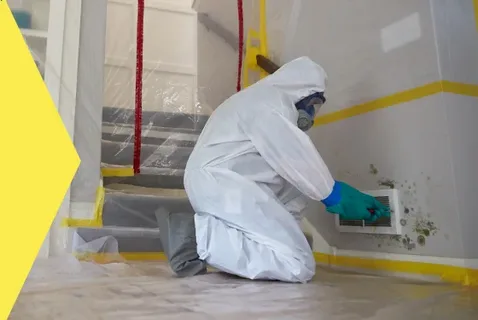
Mold problems rarely start with obvious black spots on the wall. In most cases, mold develops quietly—behind drywall, beneath flooring, inside HVAC systems, or in spaces that homeowners don’t routinely inspect. This is why a trained Mold Expert can be so valuable: not just for identifying mold, but for identifying the conditions that allow mold to thrive in the first place.
Mold Isn’t Always a “Visible Problem”
One of the most common Different mold types misconceptions about mold is that it’s always easy to spot. In reality, mold is often hidden. A home can have elevated mold spore levels without any clear discoloration on walls or ceilings.
Mold becomes a concern when moisture and organic material combine in a low-airflow area. This can happen inside:
- Wall cavities near plumbing lines
- Attics with poor ventilation
- Under sinks and behind cabinets
- HVAC closets and ductwork
- Baseboards in rooms with past moisture exposure
Because these areas are rarely checked, mold growth can continue unnoticed.
The First Thing a Mold Expert Tracks: Moisture Behavior
Mold doesn’t appear randomly. It follows moisture.
A mold expert focuses heavily on how moisture moves through a property. That includes:
- Where humidity gets trapped
- How condensation forms (and where it collects)
- Whether certain rooms stay cooler than others
- Signs of previous water intrusion that wasn’t fully dried
Even minor moisture sources—like slow plumbing drips or recurring condensation—can create long-term mold risk.
Airflow Patterns Reveal Hidden Mold Zones
Air movement is another major factor in mold development. When air circulation is uneven, some areas stay damp longer than they should. Mold experts often find mold in spaces that are “sealed off” from the home’s normal airflow, such as:
- Spare rooms kept closed
- Closets against exterior walls
- Interior bathrooms without ventilation
- Corners behind large furniture
These areas often become mold hotspots because moisture evaporates slowly.
Mold Odors Don’t Always Mean Mold Is “Nearby”
A musty smell is often the first warning sign people notice—but odor can travel.
Air pressure differences, HVAC circulation, and structural gaps can move mold-related odors away from the actual source. A mold expert evaluates not only where odors are detected, but how air movement may be carrying them from hidden spaces.
Why Lab Analysis Matters More Than Guesswork
Not all mold is the same. Different mold types have different behaviors, and some spread more easily than others. Visual inspection alone can’t reliably identify mold species or spore concentration levels.
That’s why experts often rely on professional sampling and lab analysis to determine:
- The type of mold present
- Spore concentration indoors
- Whether levels are higher than normal background conditions
- Which areas are most affected
This data helps prevent unnecessary remediation while ensuring real problems are addressed correctly.
Mold Expertise Is About Prevention, Not Panic
The best mold outcomes happen when problems are caught early. A mold expert doesn’t just confirm whether mold exists—they help identify why it’s happening and what environmental changes can reduce future risk.
For homeowners, this approach is especially important in humid climates where mold conditions can develop quickly, even without a major leak.
